


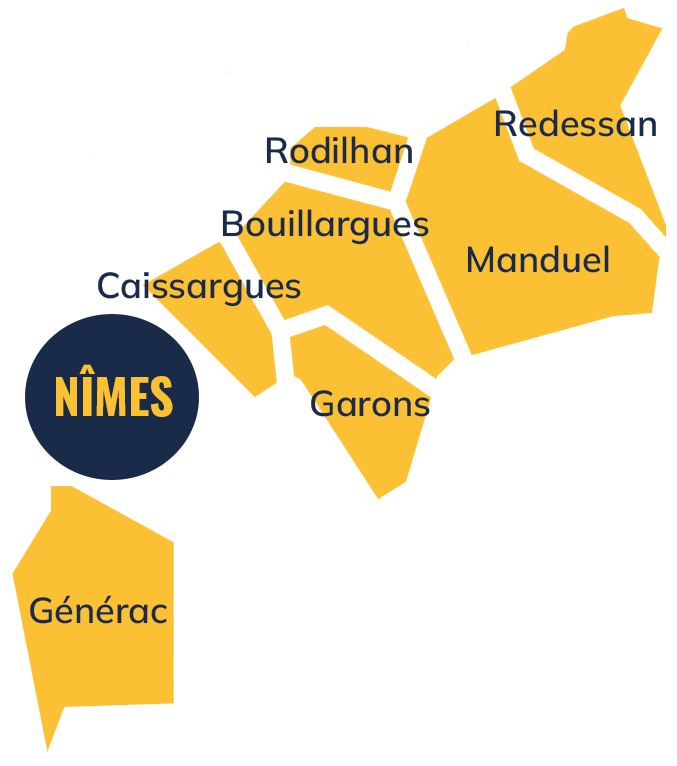
The 7 communes of Costières
Générac, Caissargues, Garons, Bouillargues, Manduel, Rodilhan, Redessan.
The Costières terroir
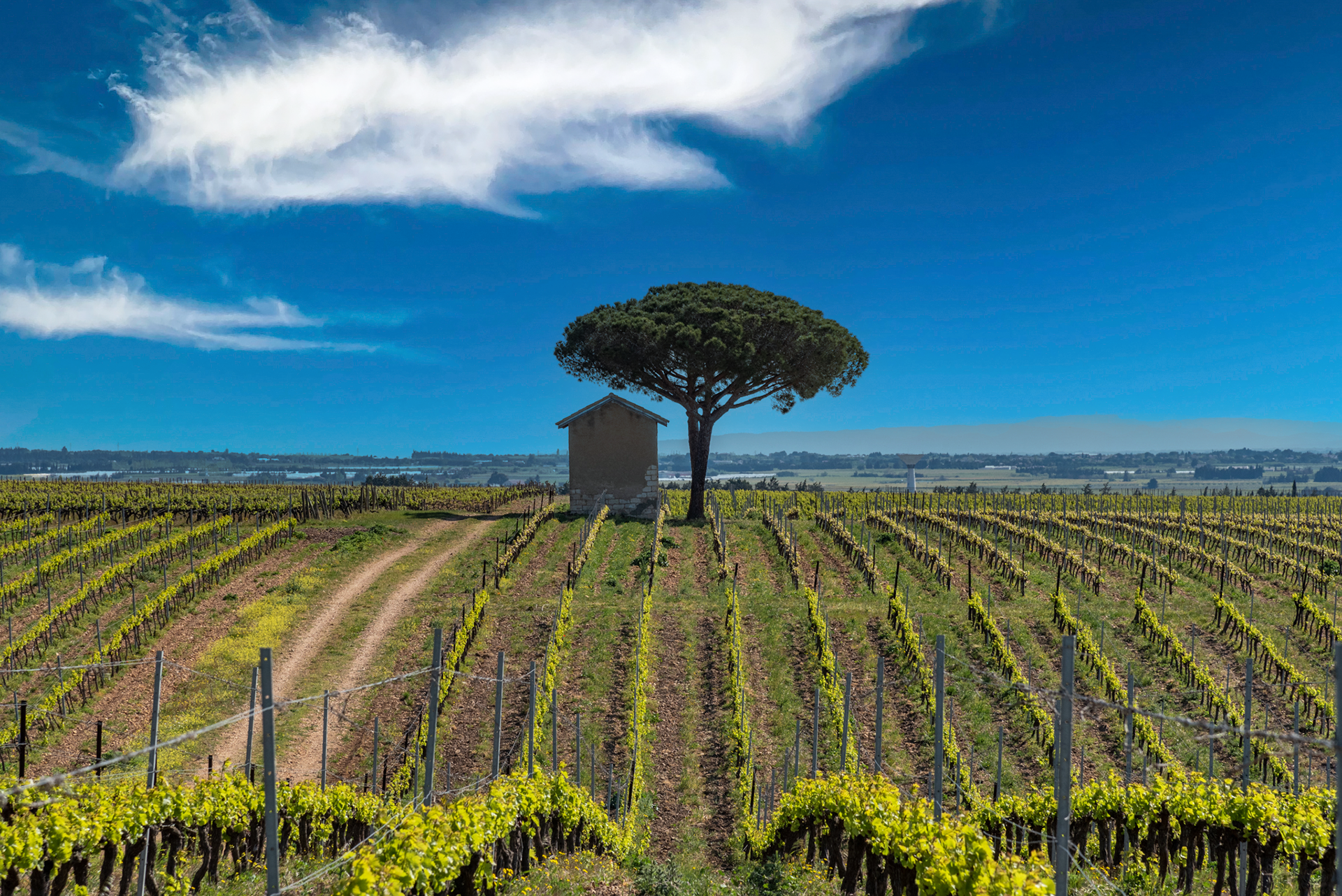
Royaume des galets roulés déposés par le Rhône et la Durance, le terroir des Costières vous surprendra par la diversité de ses paysages ! Alors baissez les yeux, c’est une mosaïque de sols qui s’offre à vous : calcaire blanc, cailloutis rougeâtres, sable jaune ou encore argiles rouges, vous serez subjugué par ces multiples couleurs ! Levez maintenant les yeux et contemplez les vignes et les vergers régnant en maîtres sur le plateau des Costières !
Already appreciated by the Greeks, then the Romans, the Costières vineyards are among the oldest in Europe. Present at the Palace of the Popes in Avignon, these wines were highly reputed and exported in the 16th century. In 1986, Costières du Gard became an AOC and, in 1989, took on the name Costières de Nîmes.
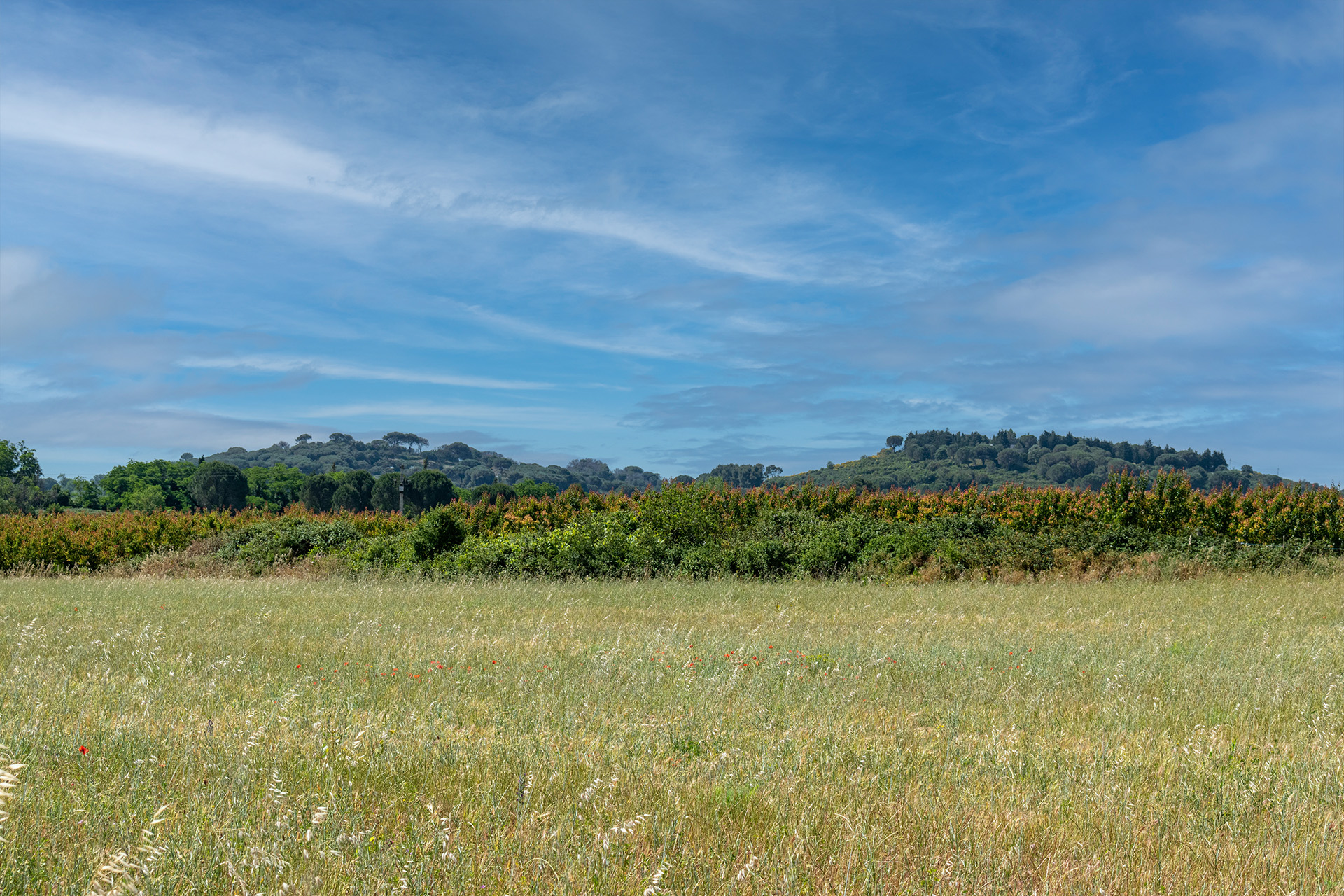
Les Puechs de Générac
A une douzaine de kilomètres au sud de Nîmes se situe la jolie commune de Générac. Nichée au pied de ses sept collines sauvageonnes, appelés «puechs», cette ancienne villa romaine s’ouvre vers la plaine cultivée de la Vistrenque offrant ainsi de nombreuses possibilités de promenades ! Prenez donc de la hauteur et baladez-vous de Puech en Puech, véritables spécificités du village !
We regularly refer to the "seven hills of Générac", not unlike the legend of the 7 hills of Rome or neighboring Nîmes. But in reality, the puechs are more numerous: there are at least eight, the highest of which is the 146-metre-high Puech Dardaillon!
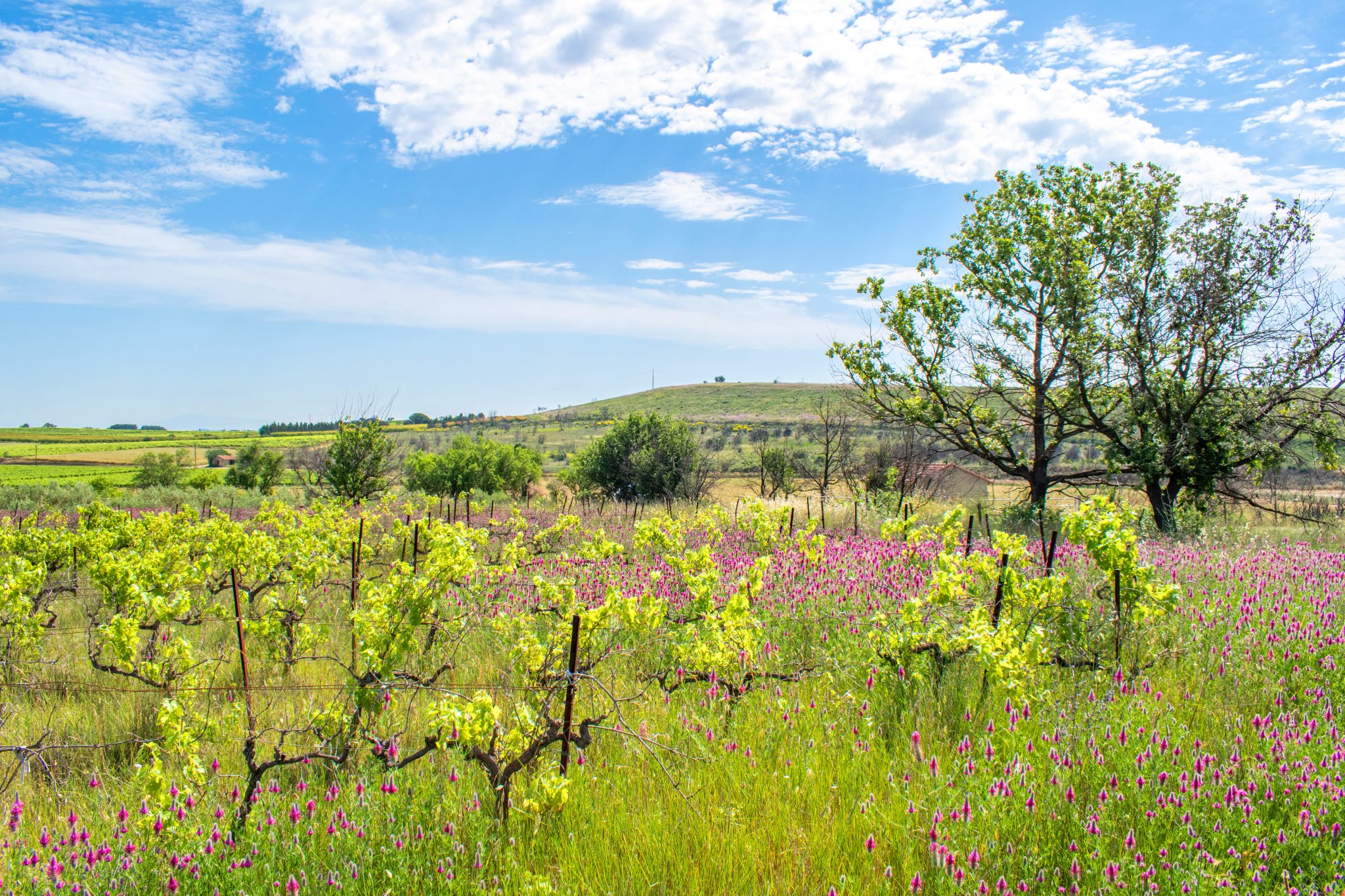
Cycling loop "Between vineyards and rice fields
Cette boucle cyclo-découverte de 51 km peut se réaliser sur plusieurs jours. Vous pourrez commencer par visiter la ville de Saint-Gilles riche au niveau patrimonial avec notamment l’Abbatiale inscrite au patrimoine mondial de l’Unesco. Immergez-vous dans un écosystème remarquable à la croisée des traditions bouvines et viticoles.
Les vignes des Costières laissent place aux rizières et les vergers aux marais. La descente entre Générac et Franquevaux vous charmera avec un panorama à couper le souffle sur les reliefs régionaux les plus connus et les étangs de Camargue.
Quelques beaux spots d’observation de la faune et de la flore locales s’offriront à vous.