

Sernhac
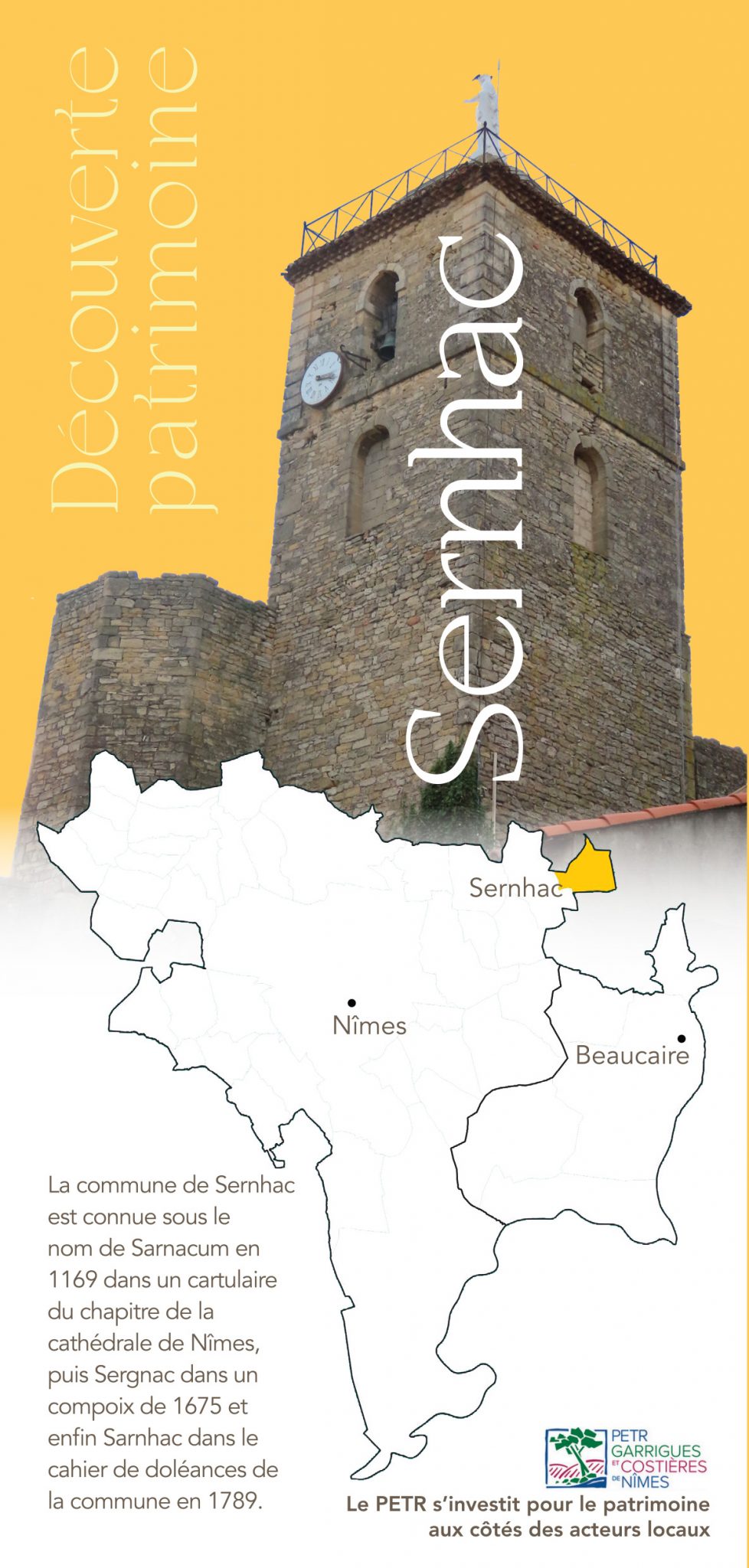
Sernhac is a pleasant village of around 1,800 inhabitants, located 4 km from Remoulins and the Pont du Gard, and 20 km from Nîmes. Nestled on the edge of the departmental road 986, Sernhac offers a peaceful living environment and a unique wealth of history.
History & Heritage
Name origin
The name Sernhac may derive from the Latin "Saraceni," meaning "Saracens." Over the centuries, its spelling has evolved through various forms such as Sarnacum, Sarnhaco, and finally Sernhac.
Roman remains
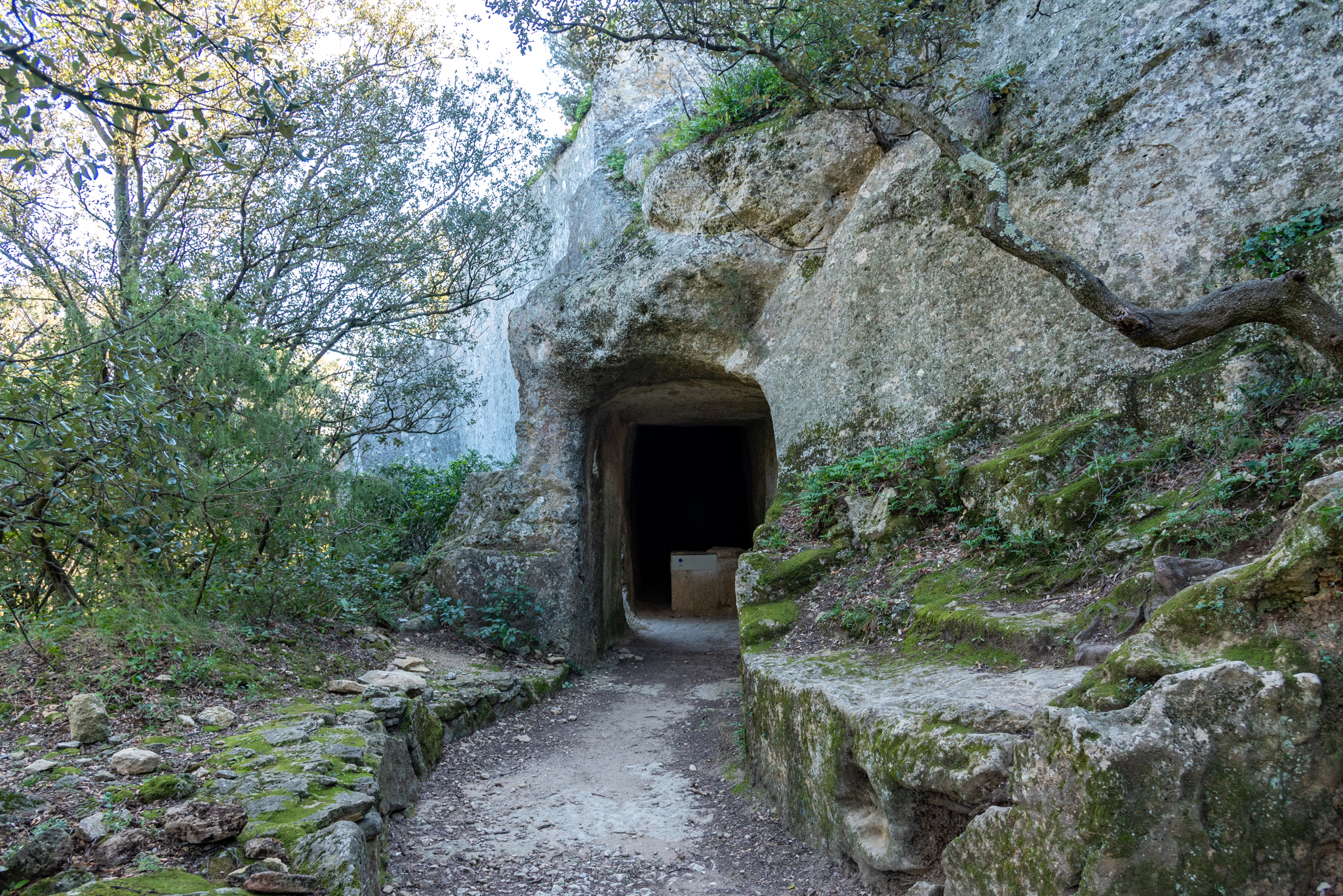
The foundation of Sernhac probably dates back to Roman times, in connection with the construction of the Pont du Gard Aqueduct, whose tunnels run beneath the village. These tunnels, 60 and 66 meters long, bear witness to Roman hydraulic engineering genius.
Roman aqueduct tunnels: these galleries, dug in the 1st century AD, are an impressive example of Roman craftsmanship.
Religious heritage
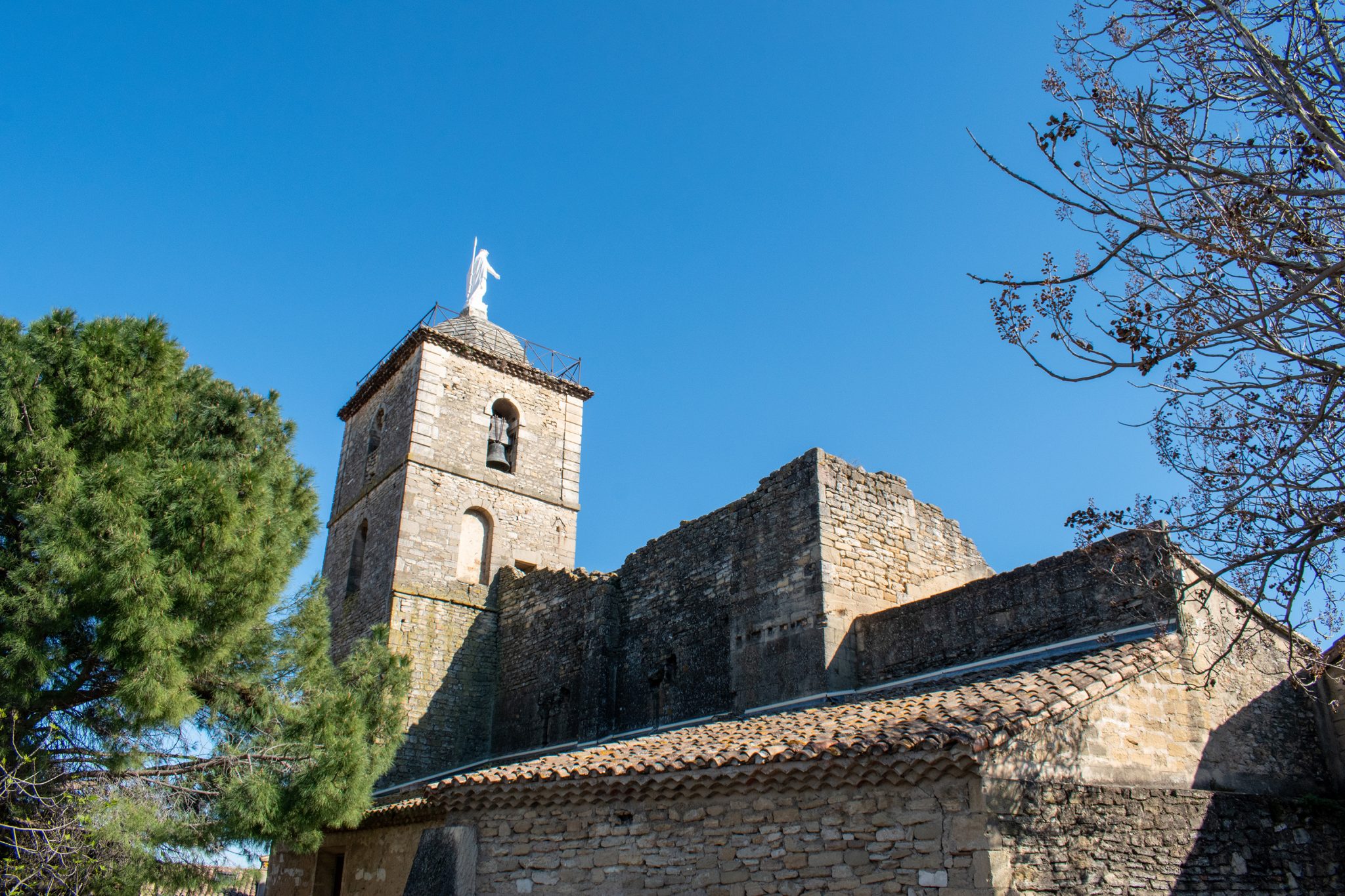
Église Saint-Sauveur: one of the oldest buildings in the village, the church has undergone several transformations since its construction on the orders of Charles Martel.
The Penitents' Cross: also known as the "Miraculous Cross", it now stands in the church sanctuary.
Attractions & Activities
Vallon d'Escaunes and Cantarelles
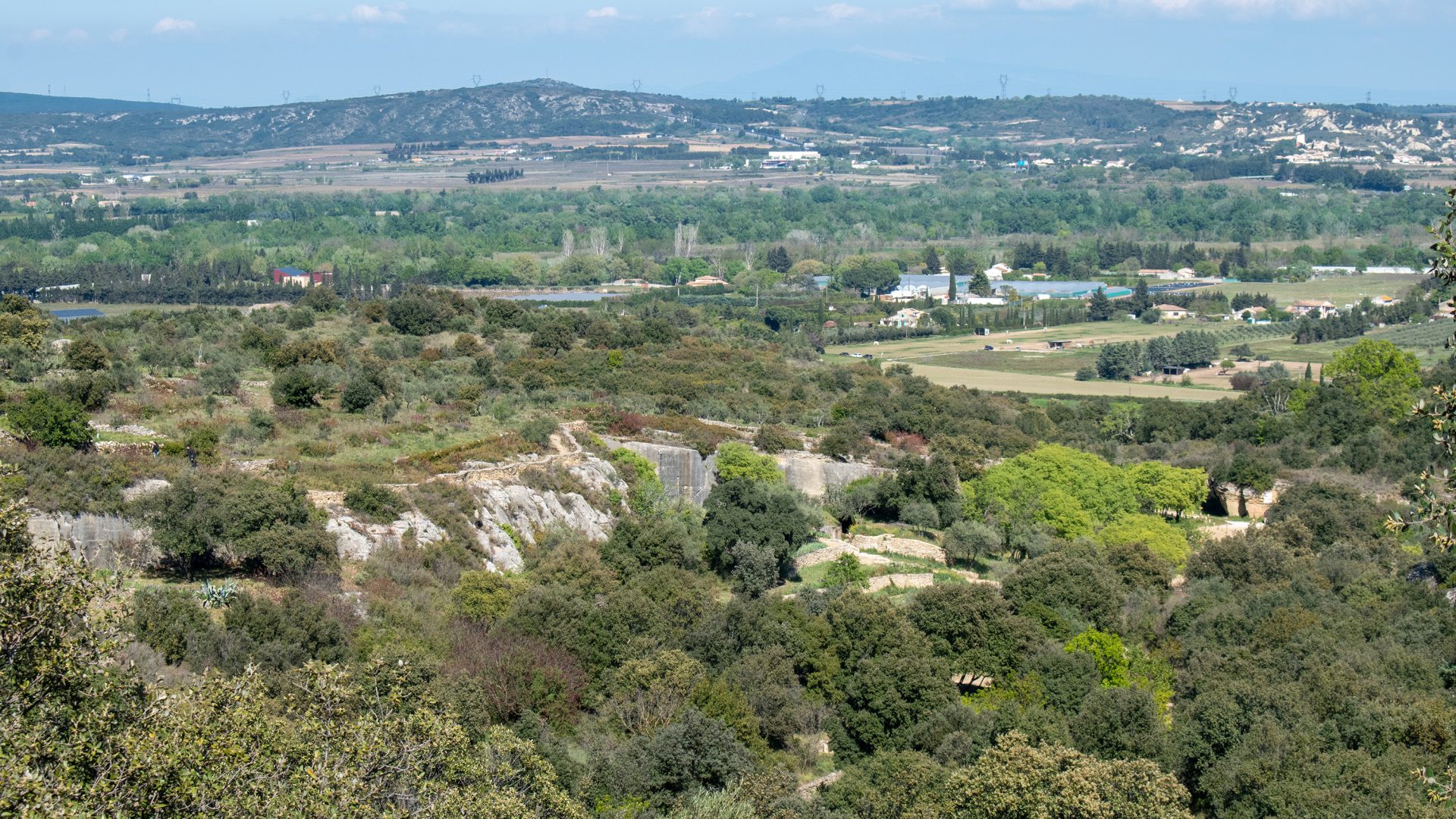
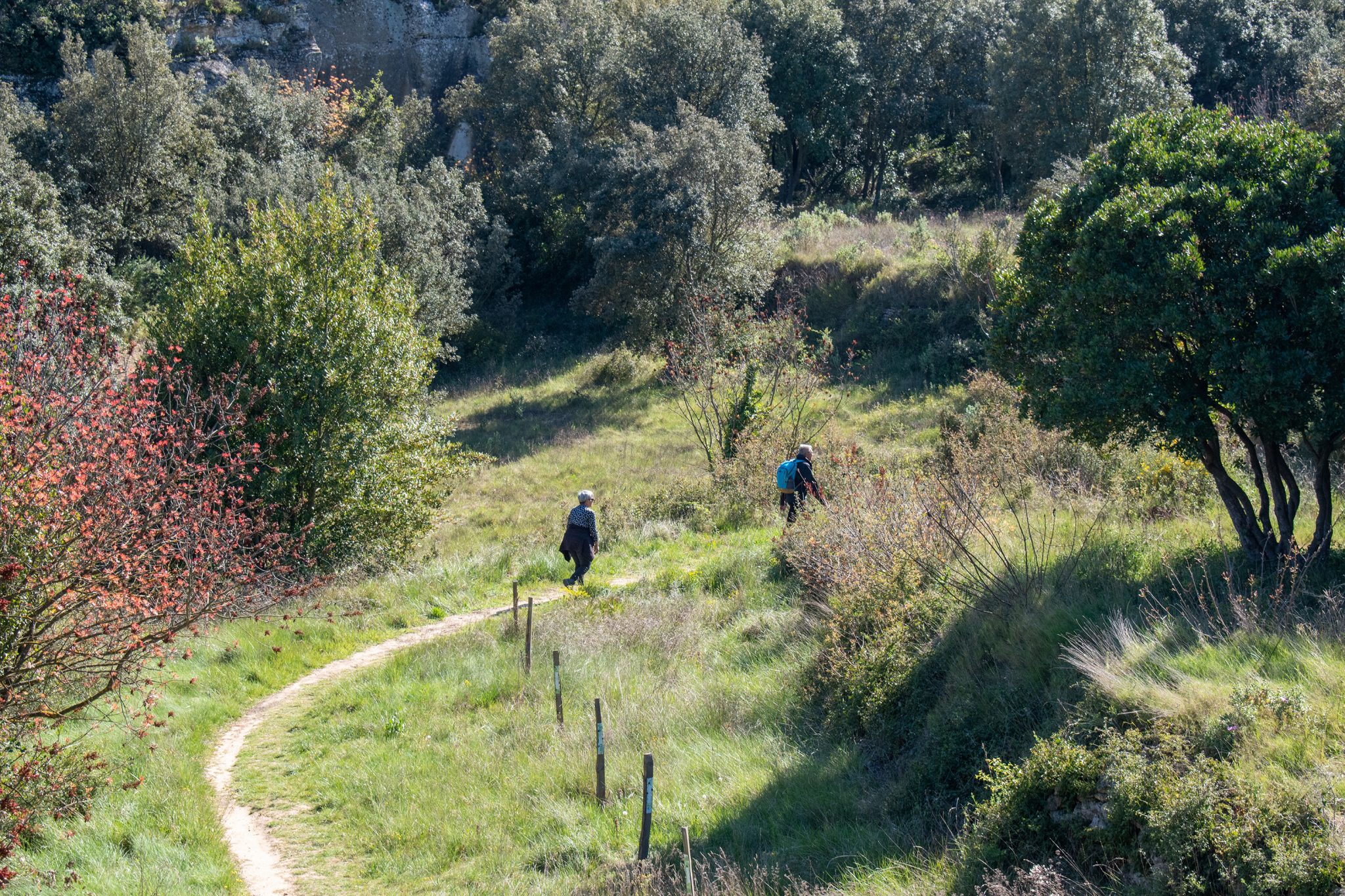
The vallon, rehabilitated by the commune, is a "green" site ideal for walks. It offers safe, informative paths, an arboretum of Mediterranean plants, and historic features such as the Roman aqueduct tunnels and capitelles.
Sernhac is a village that combines historical heritage with a gentle way of life. Its geographical location and Roman remains make it an interesting destination for history buffs and nature lovers alike.