

Saint-Géniès-de-Malgoires
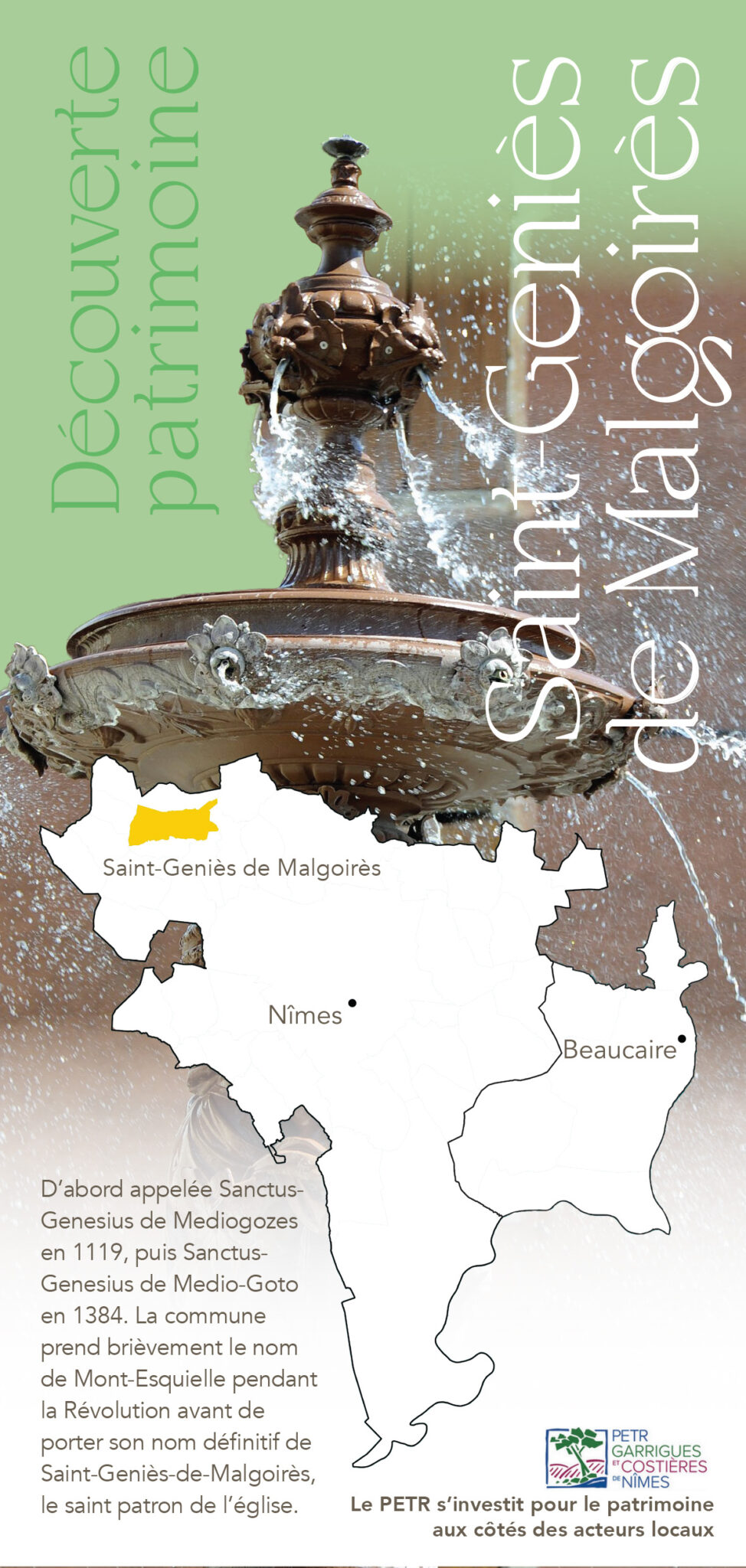
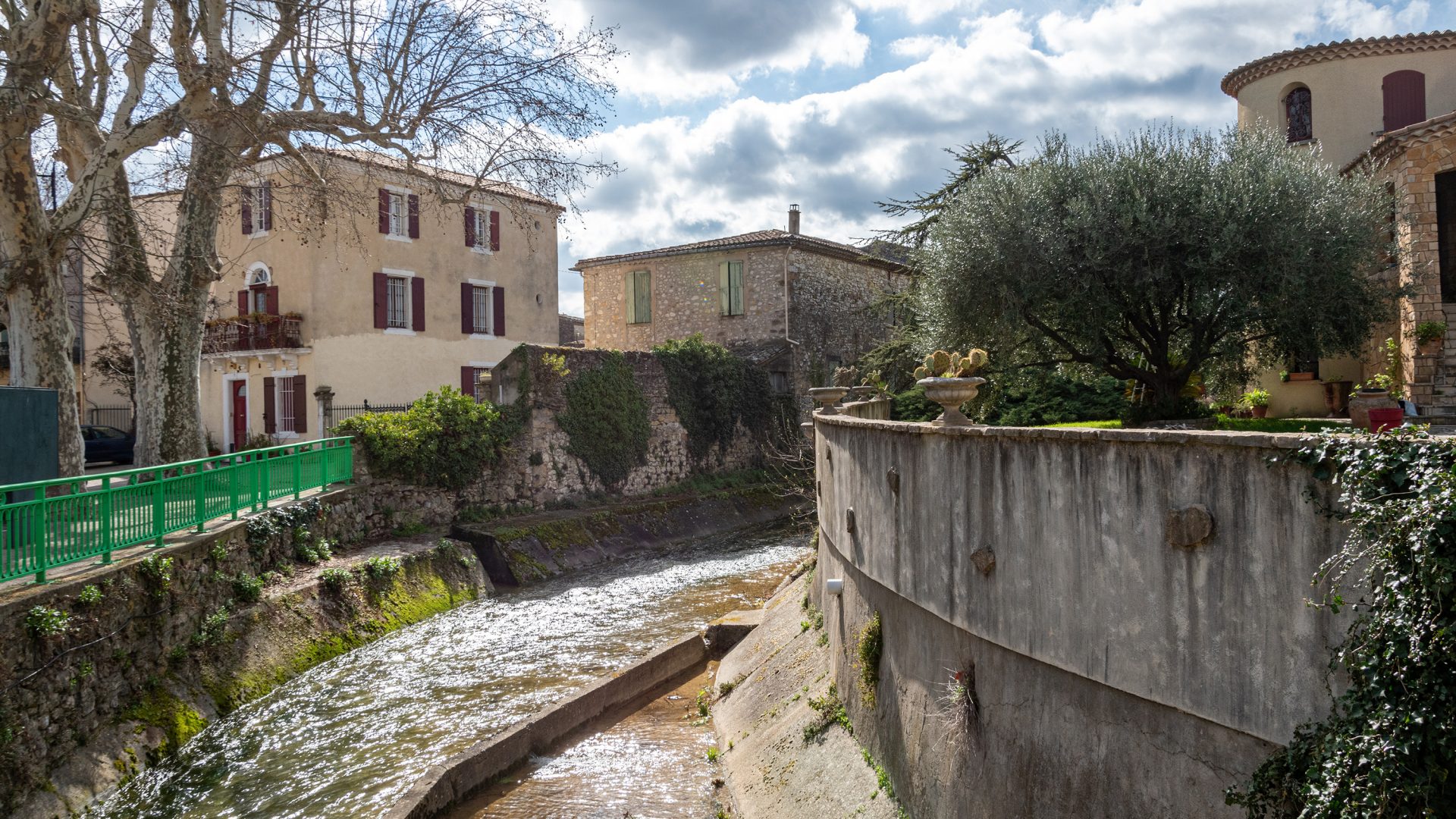
Saint-Geniès-de-Malgoirès, a village on the plain, has managed to expand despite the threat of flooding from the Esquielle river that runs through it. Since 2009, a large flood control dam has effectively protected the village.
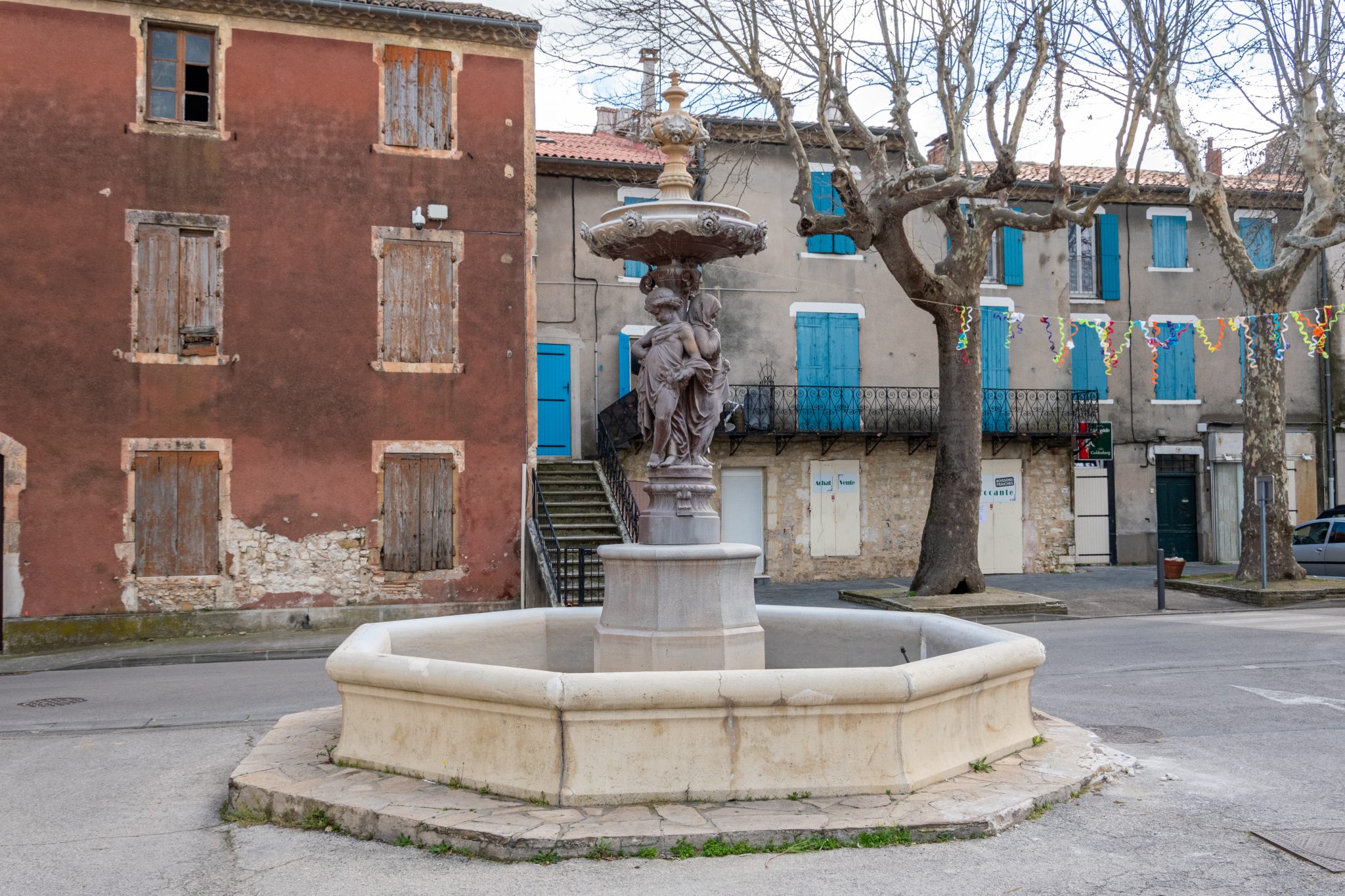
History & Heritage
The inhabitants of Saint-Geniès-de-Malgoirès are called Médiogozins, derived from "Medio goto" (middle of the Goths). This name refers to the small Gardonnenque plain, surrounded by the Rouvegade to the south, the Auriol to the north, the Gardon to the east and the hills to the west.
Neolithic remains in the hills to the north-west of the village prove the age of the settlement. At the end of the Iron Age, populations moved down the hills to settle around the springs, forming the village originally named Tezano.
Agriculture has always been the main activity in Saint-Geniès-de-Malgoirès, evolving over the centuries from the production of cereals, livestock and food crops, to mulberry trees for silkworms, olive trees and vines. Handicrafts, particularly woollen cloth, also contributed to the village's prosperity.
Bordered by the Régordane road and crossed by the salt road, Saint-Geniès is a trading town. Mainly Protestant since the 16th century, it suffered the consequences of royal religious policies and clashes during the Camisard War.
Heritage
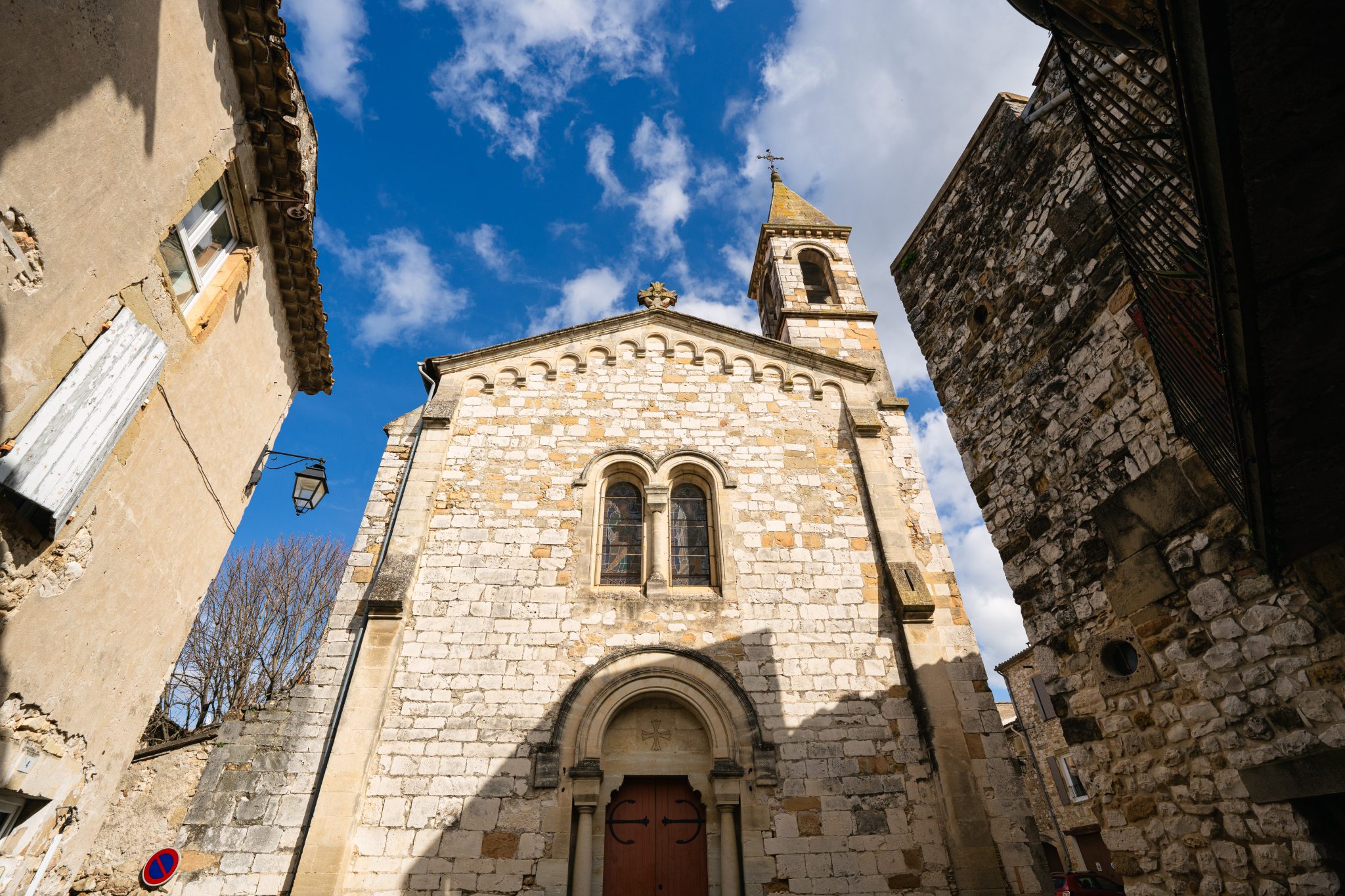
The heritage of Saint-Geniès-de-Malgoirès bears witness to its rich past. A 16th-century house, once owned by the Catholic Maigron family, features architectural elements dating back to 1561. The Porte Cavalier, linked to the post-Michelade fortifications, marks a turning point in the village's history with the destruction of the ramparts in the 17th century. Protestant worship, practiced within the Catholic church in the early 19th century, led to the construction of a temple in 1835.
The former town hall, which became a military hospital in 1915, and the elementary school, inaugurated in 1881, are key features of the village. A Roman funerary stele, discovered in 1862, is a reminder of the village's ancient heritage. The medieval village is organized around the Romanesque church, with arches and gargoyles visible in the rue des Arceaux, on the edge of the old medieval enclosure.
The village's Protestant past is also marked by the construction and destruction of a temple following the revocation of the Edict of Nantes in 1685. The Maison Guizot, belonging to a Protestant family, and the Place de la Tournelle, a commercial center in the 20th century, enrich this heritage. Finally, features such as the Pont Vieux (Old Bridge), remodeled in the 19th century, and local legends around the mill bear witness to daily life through the centuries.
The surrounding garrigue is dotted with numerous capitelles, some restored and others in the process of being restored. The village also boasts a number of windmills and watermills, which are also being restored.