

Milhaud
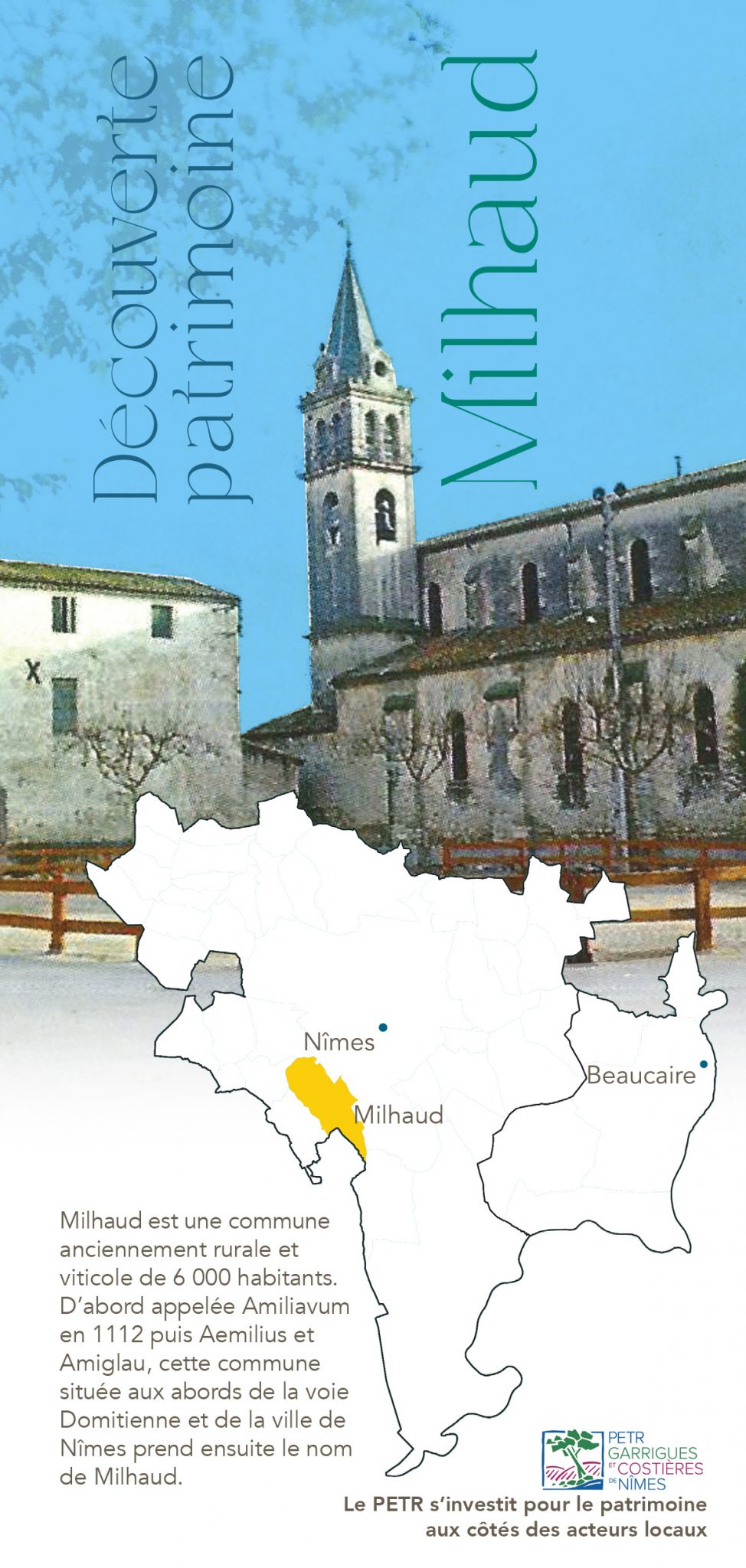
Milhaud, just a few kilometers southwest of Nîmes, is strategically located between town and country. Nestled on the route of the ancient Via Domitia, this village offers a pleasant living environment with many opportunities for discovery. To the north, the garrigue reveals magnificent capitelles, testimony to the commune's agricultural activity in the 18th and 19th centuries.
History of Milhaud
Milhaud has a rich history, dating back to Roman times. The village takes its name from "villa Milhau", an ancient Roman villa that existed on the site. Over the centuries, Milhaud has passed through various historical periods, influenced by regional and national events.
Milhaud's heritage
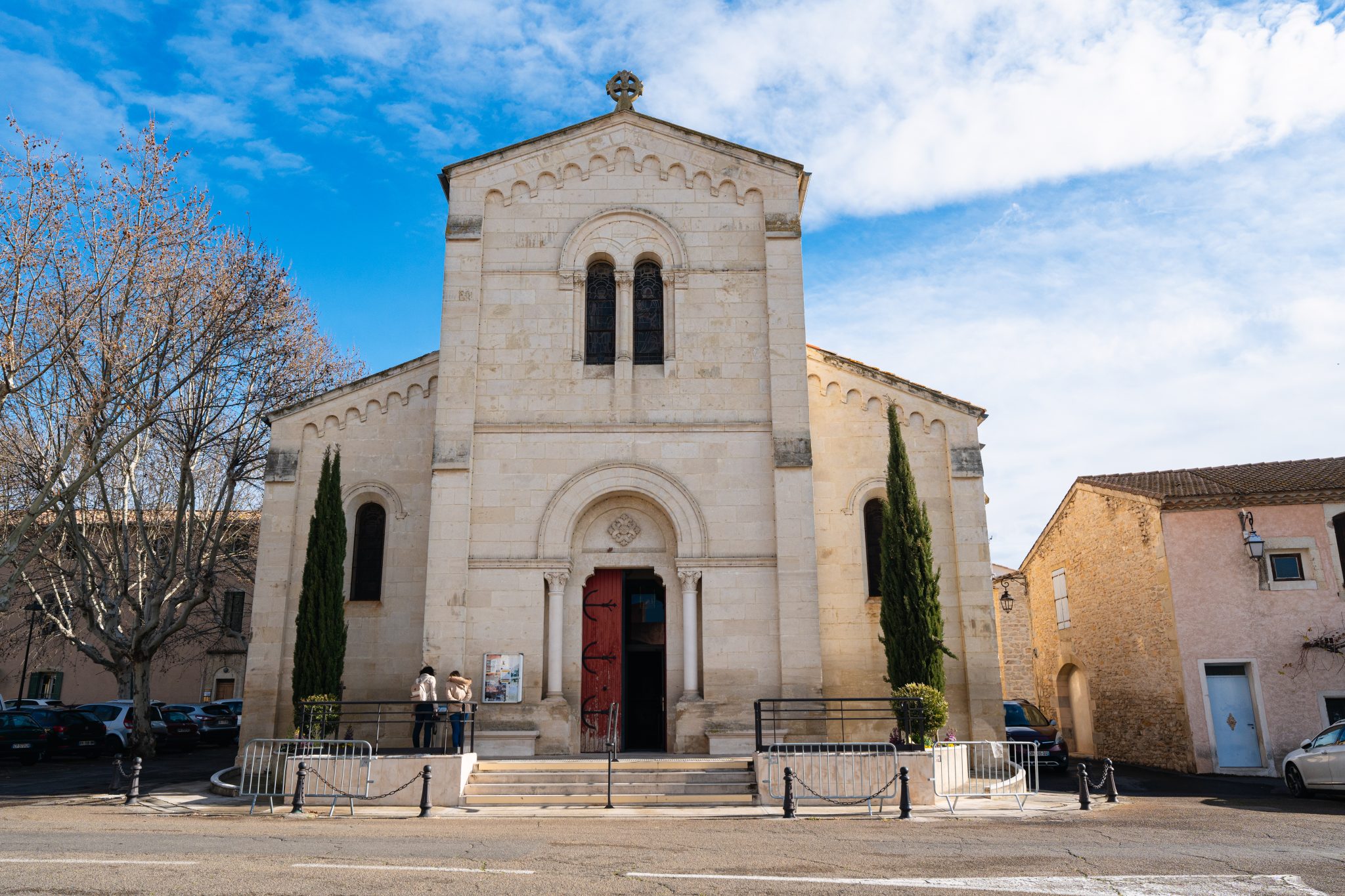
Saint-Saturnin Church
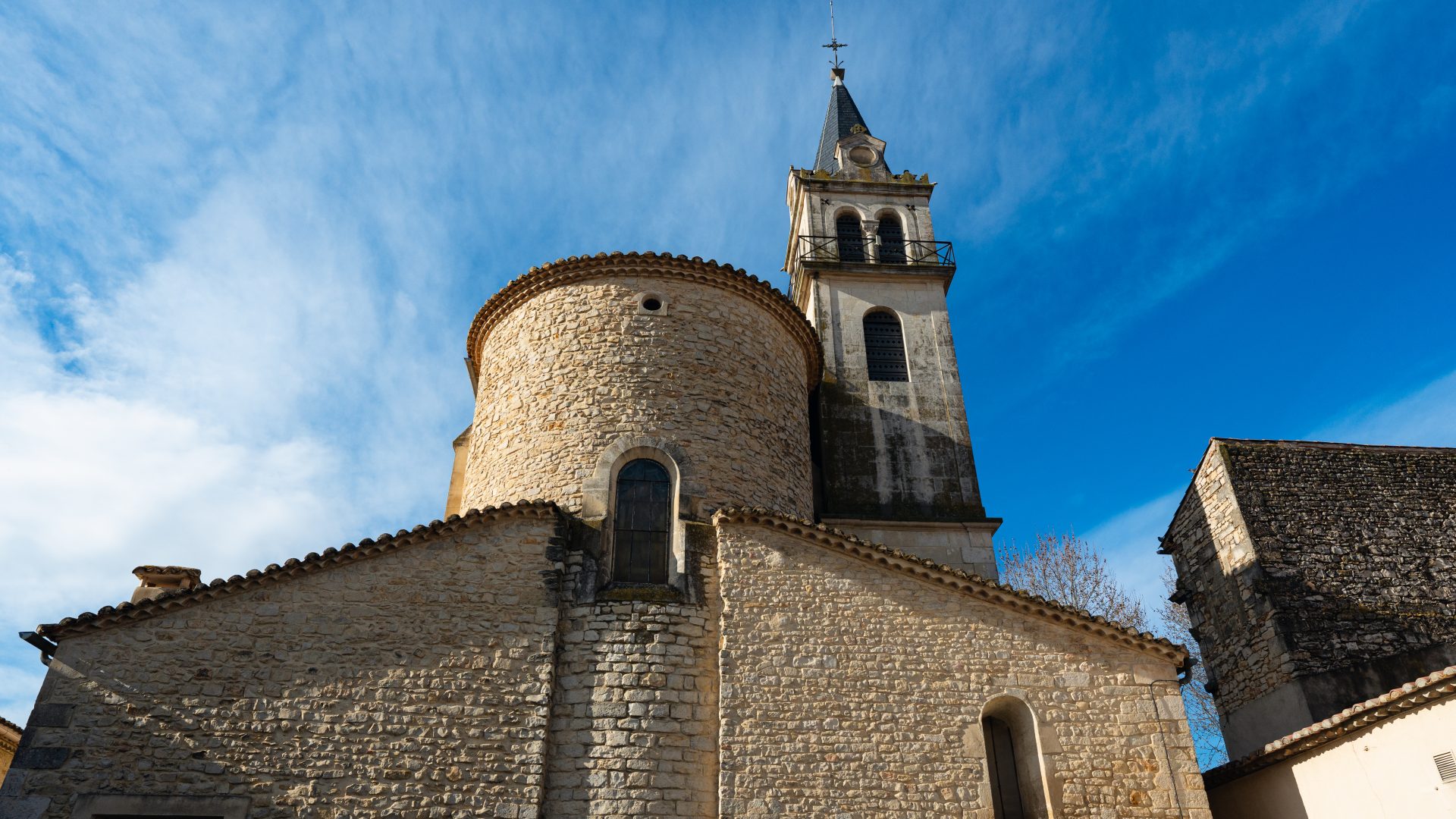
Saint-Saturnin church is an important building in Milhaud. Built in the 12th century, it has undergone several restorations over the centuries. The church is an example of the region's Romanesque architecture.
Roman remains
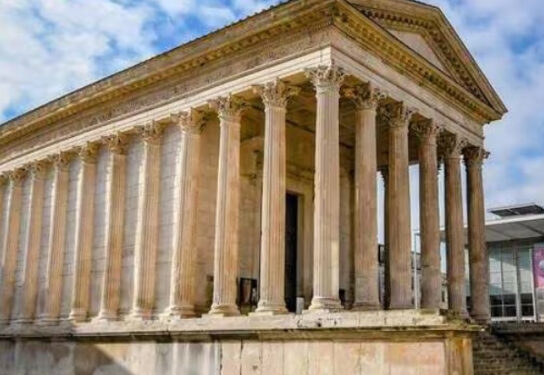
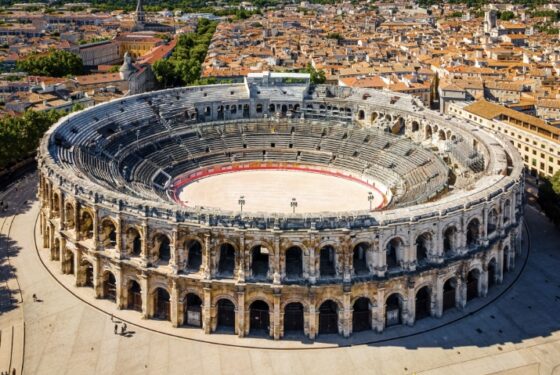
Milhaud has preserved many vestiges of its Roman past. Archaeological digs have uncovered the remains of buildings and infrastructure dating back to this period, testifying to the region's importance in ancient times.
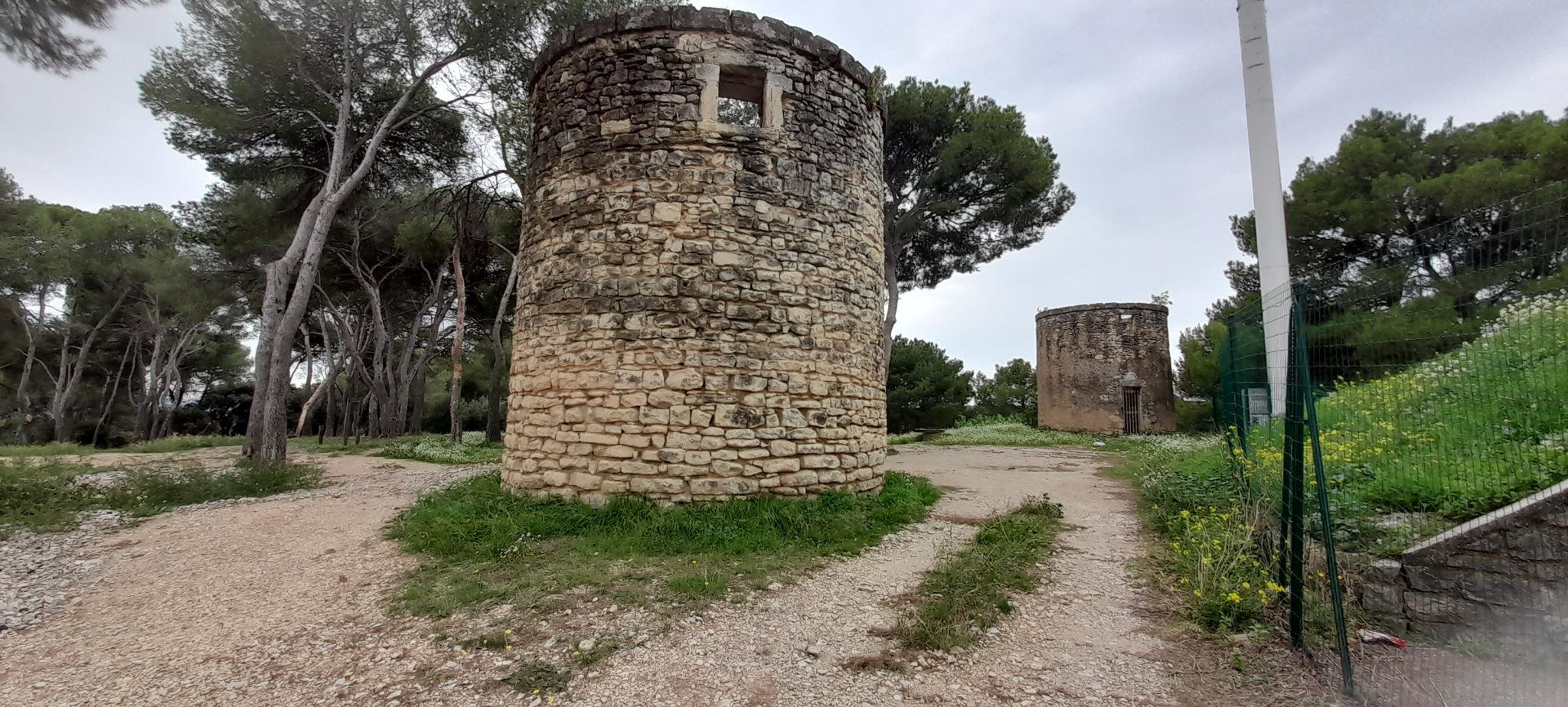
Les Capitelles
The surrounding garrigues are home to capitelles, small dry-stone structures once used as shelters by shepherds and farmers. These traditional structures add to Milhaud's rural charm.