

Manduel
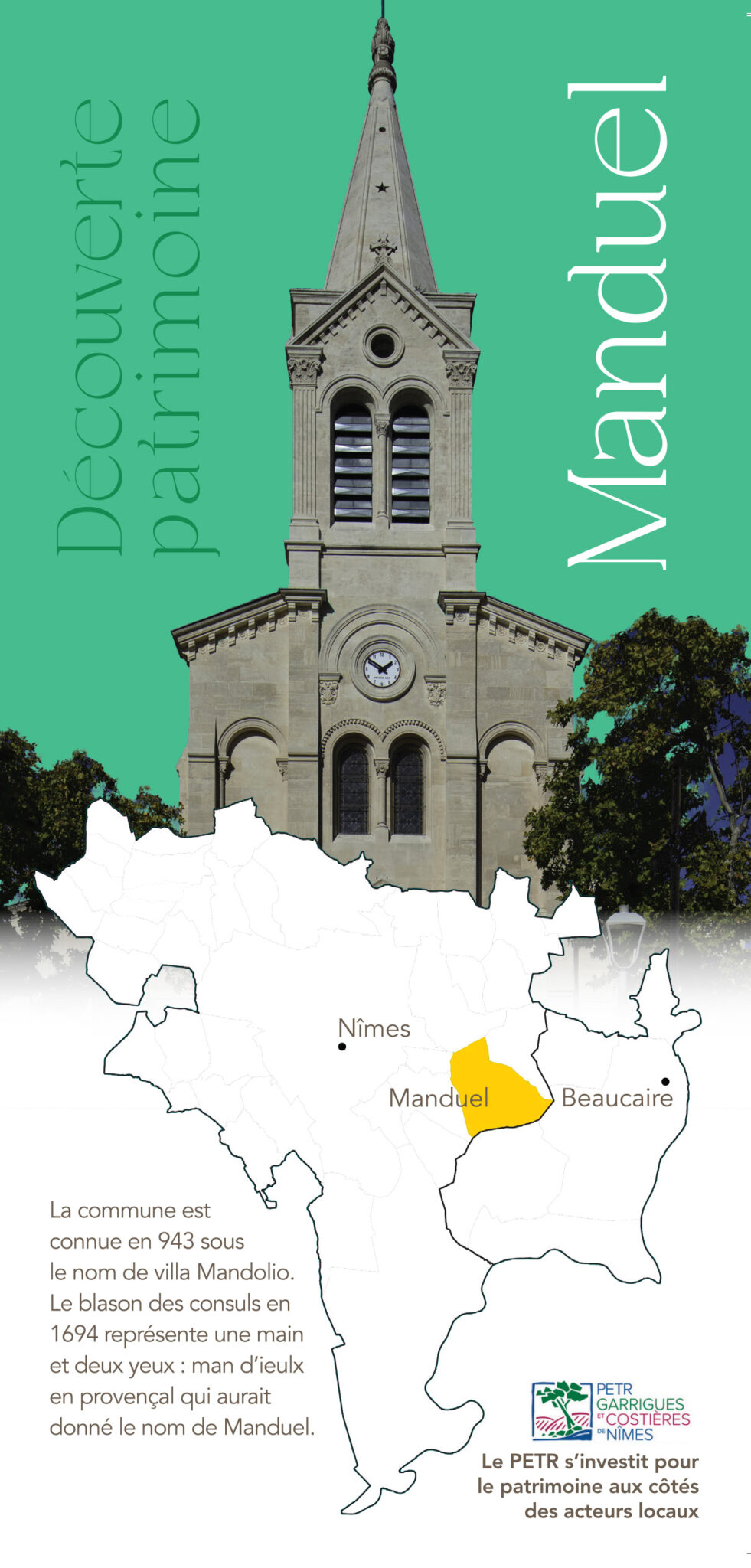
Situated on the Costières plateau, 10 km from Nîmes, Manduel is a commune with a profoundly Camargue identity. Proud of its thousand-year-old past, the village is nevertheless resolutely turned towards the future, with the construction of new infrastructures such as the T.G.V. Nîmes-Pont-du-Gard station.
History of Manduel
Manduel has been inhabited since ancient times. Flints dating back more than 30,000 years have been found near the Etang de Campuget. Around 4,000 BC and during the Bronze Age (1,000 BC), the first farmers settled in Fumerian. This area may well have been the ancestor of the primitive village.
First mentioned in 943, the village has been marked by important events such as the Wars of Religion and the French Revolution. The territory, administered by three consuls, belonged to the Counts of Toulouse before passing to Guillaume de Nogaret.
Manduel's heritage
Antoninus the Pious's Millionaire Borne
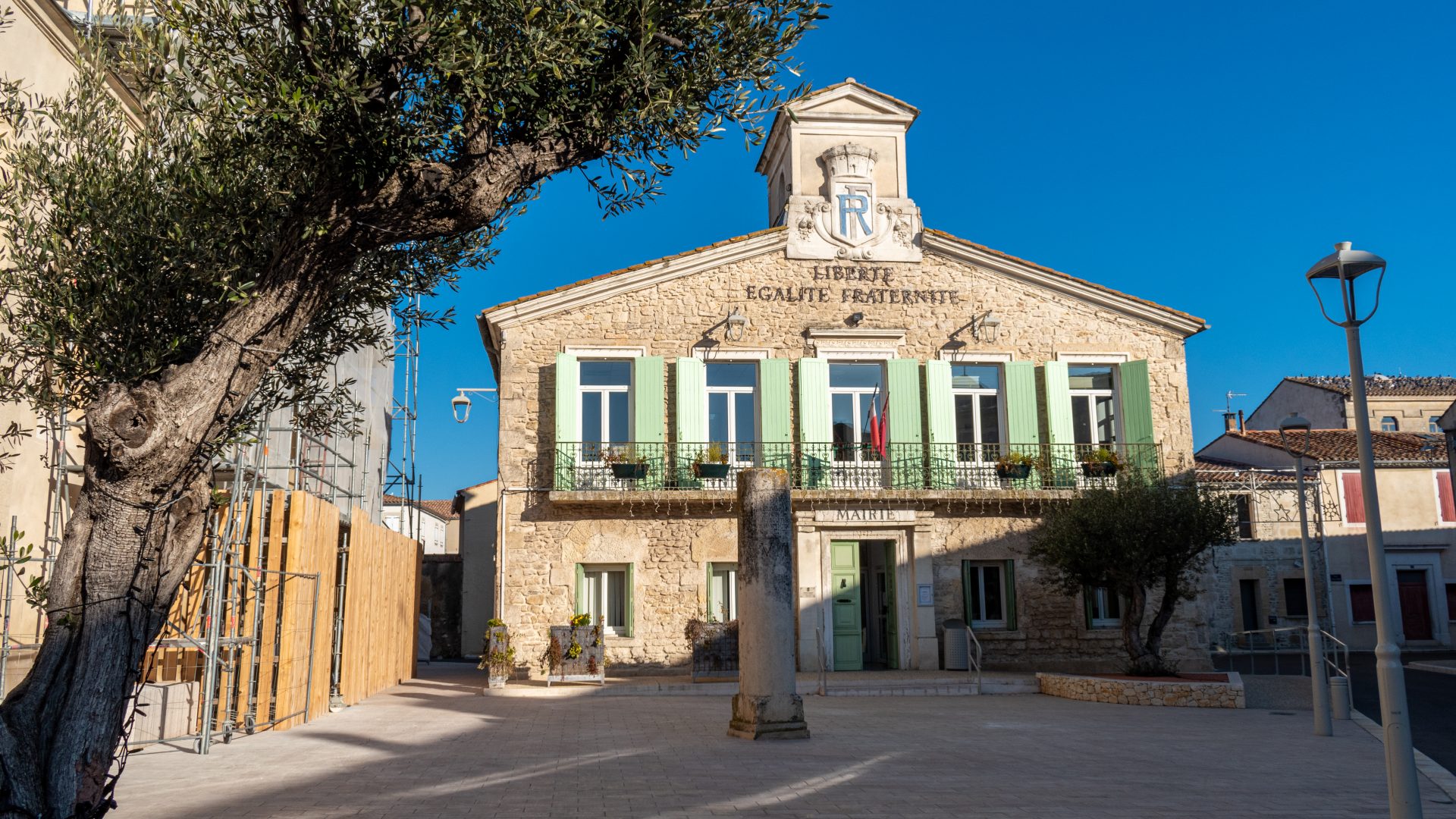
Erected in 145 B.C., this milestone is one of several placed by the Romans on the main roads. Discovered in 1861 under the paving stones of Manduel's old church, it has been a listed monument since 1973, and now stands opposite the town hall.
The Church
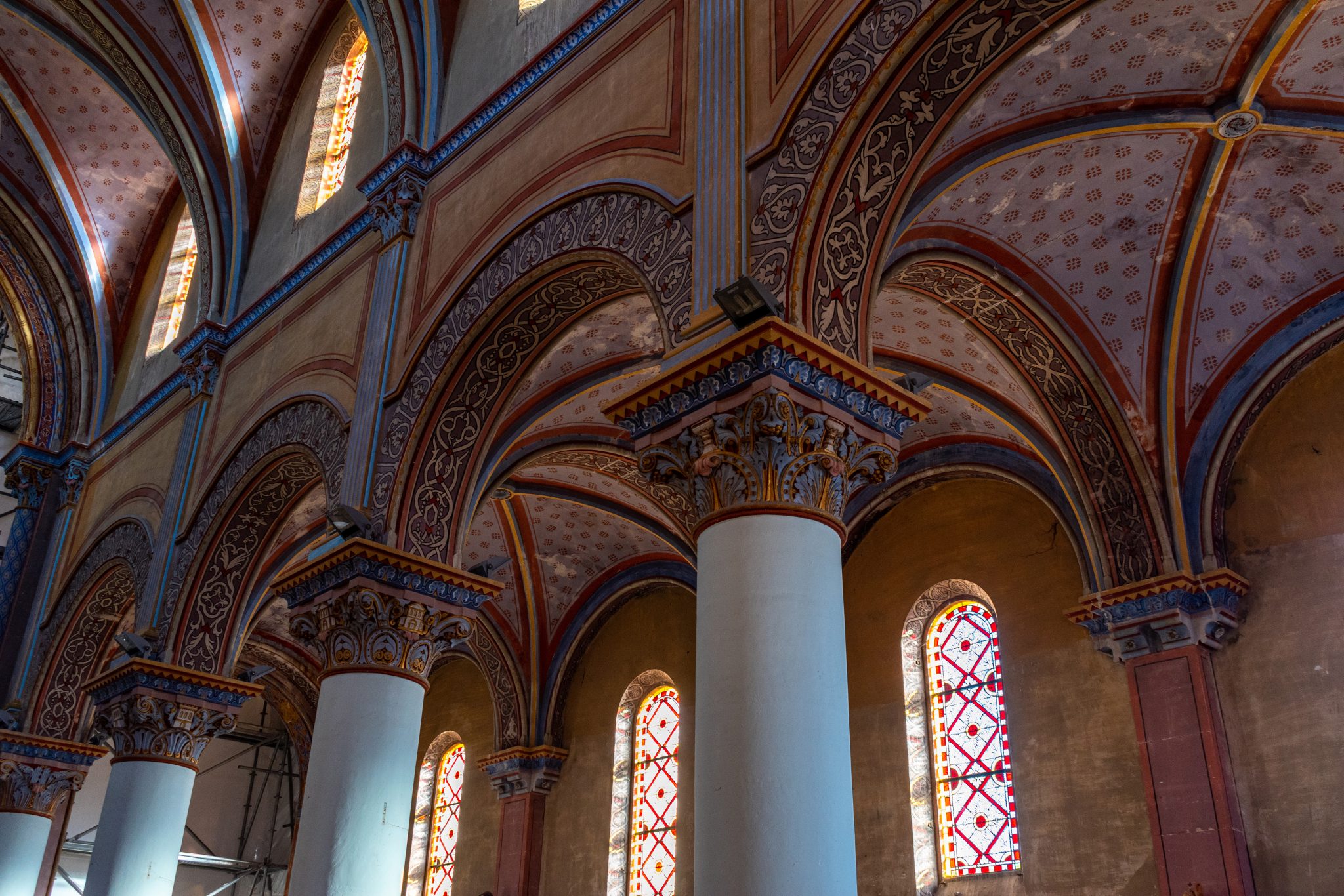
Built on the site of Manduel's second church, the current church dates from 1856 and is in the Romanesque-Byzantine style. Its furnishings and choir railings are listed in the Monuments Historiques supplementary inventory. Among its treasures are two listed paintings: "L'arrestation de Saint-Genest" by J-B Lacroix (1842) and "La Mort de Saint-Joseph" (17th century).
La Source Font Maurien
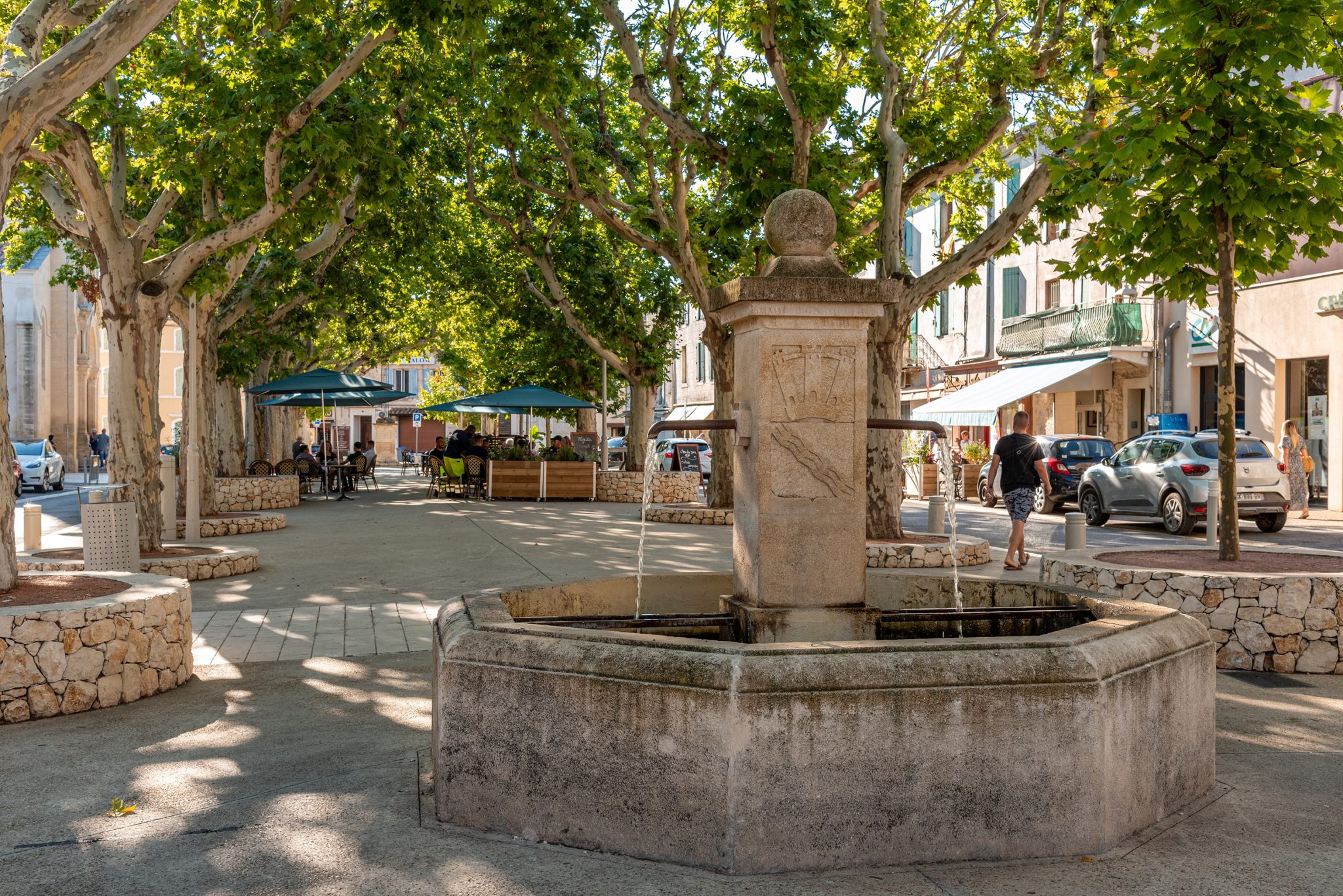
Recorded since 1150, this spring was used by local residents to water their animals. Since 1684, it has been a communal spring. Restored and inaugurated in 2005, the spring is accessible via the path marked with an arrow from the Fumérian district.
Manduel, with its history and heritage, is an interesting destination for history lovers. Explore its historic sites and discover the simple charm of this village.