


Lédenon
Between history, heritage and ... speed
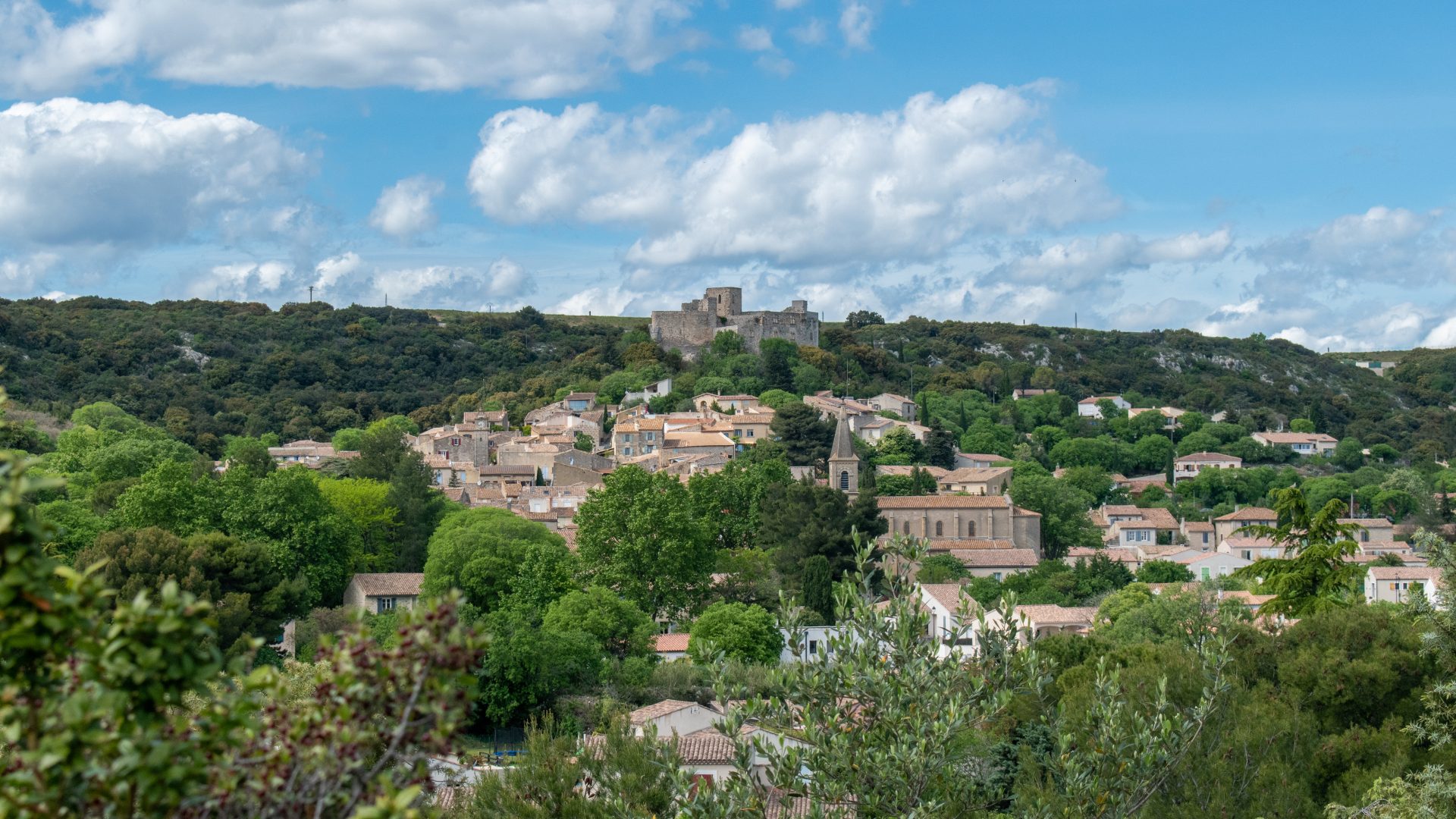
Eighteen kilometers northeast of Nîmes in the direction of Avignon, Lédenon lies on a hillside. The village combines an interesting historical past with a pleasant natural setting, attracting lovers of history, nature and motor sport.
History of Lédenon
Lédenon developed thanks to a perennial spring, natural shelters and hunting and gathering grounds. An ancient Gallo-Roman villa named Letinno after a local god, it became Lédenon in 1578. The Romans built a small aqueduct to drain the pond and facilitate agriculture.
Between the 16th and 18th centuries, Lédenon went through periods of political and religious conflict, resulting in the partial destruction of the village chapel and the near-total destruction of the Lognac priory. After the French Revolution of 1789, the lands of the nobility and clergy were redistributed, and the village experienced an economic boom in the 19th century, with the construction and restoration of numerous buildings.
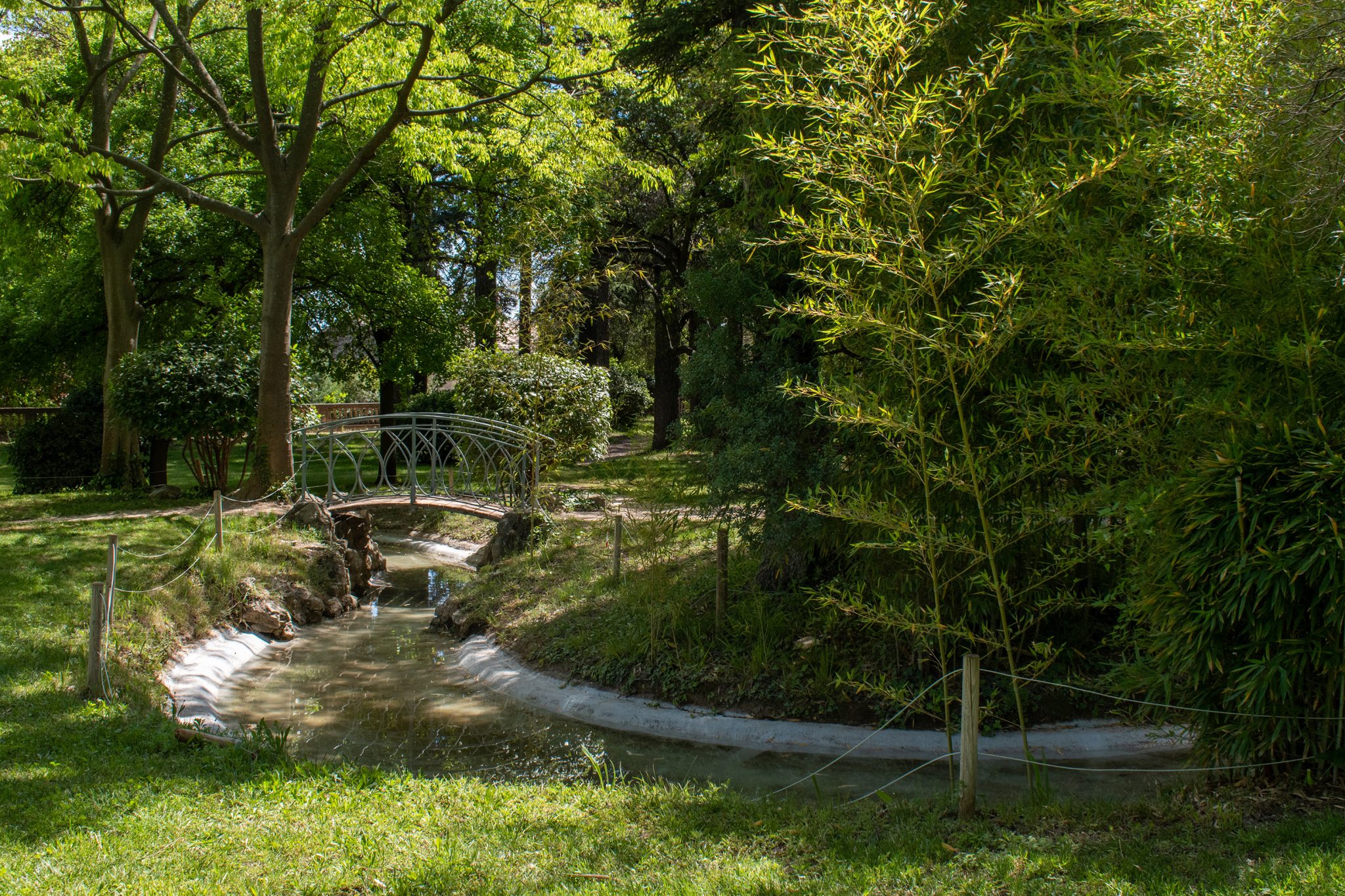
Lédenon's heritage
La Source
The perennial spring was essential for human settlement in Lédenon. Dedicated to Letinno, a local divinity, the spring influenced the village's name through phonetic evolution from Letinnoni to Lédenon. Today, the spring bears witness to the village's ancient history.
Church of Saint-Cyr-et-Sainte-Julitte
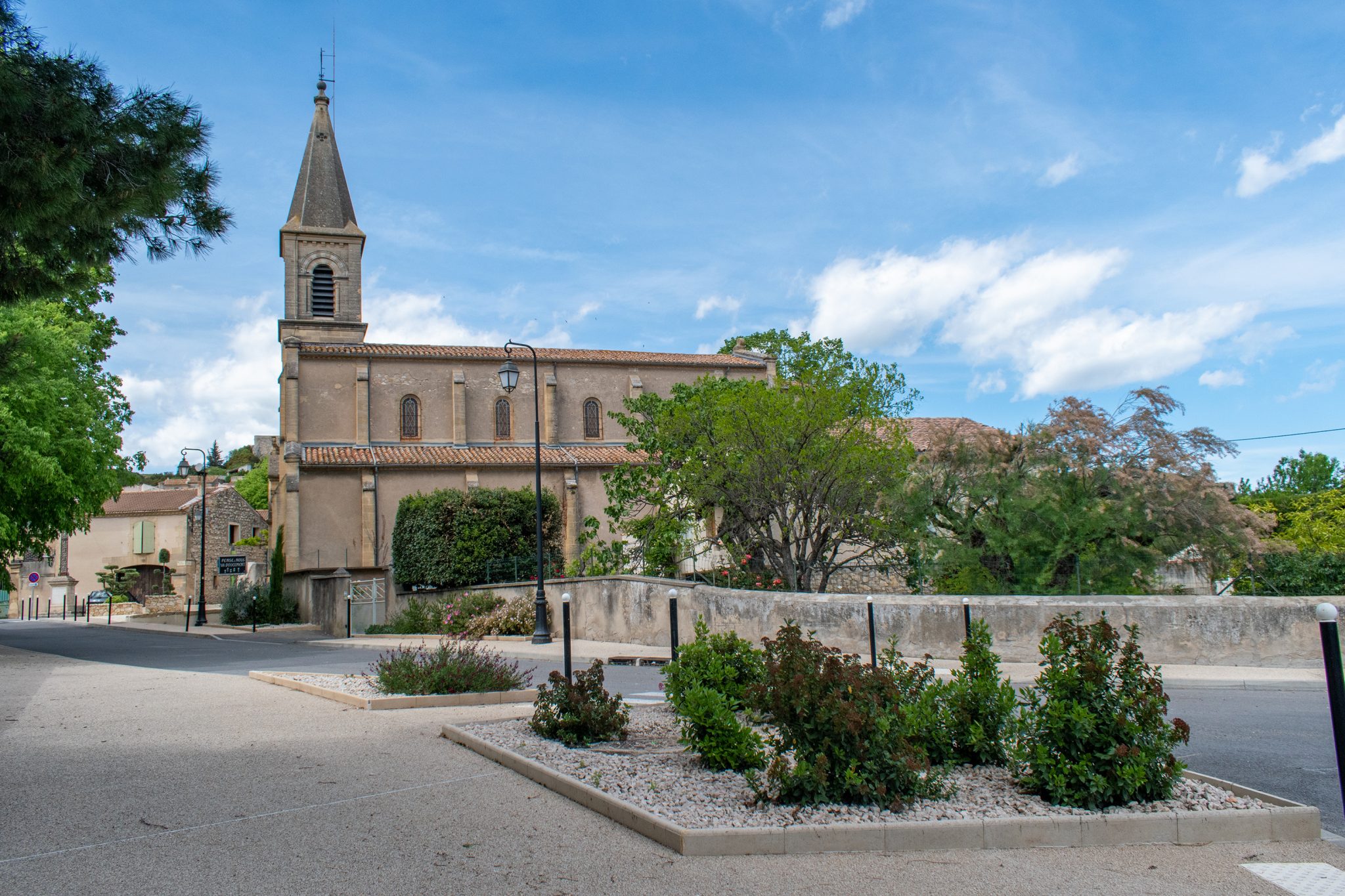
The church of Saint-Cyr-et-Sainte-Julitte was originally a small Romanesque chapel attached to the village ramparts. Damaged by religious and political conflicts, it was repaired several times between the 17th and 18th centuries. The steeple is the only element dating from this period, the rest having been rebuilt in the 19th century.

Circuit de Lédenon: full speed ahead!
On your marks, get set, go! Whether you're a car or motorcycle racer, or a speed enthusiast, take to the track at Lédenon!
Considered to be the most undulating, sinuous and technical of France's circuits, the Lédenon sports complex is also the only one that turns counter-clockwise.
Fasten your seatbelts, and let's go!