



Langlade
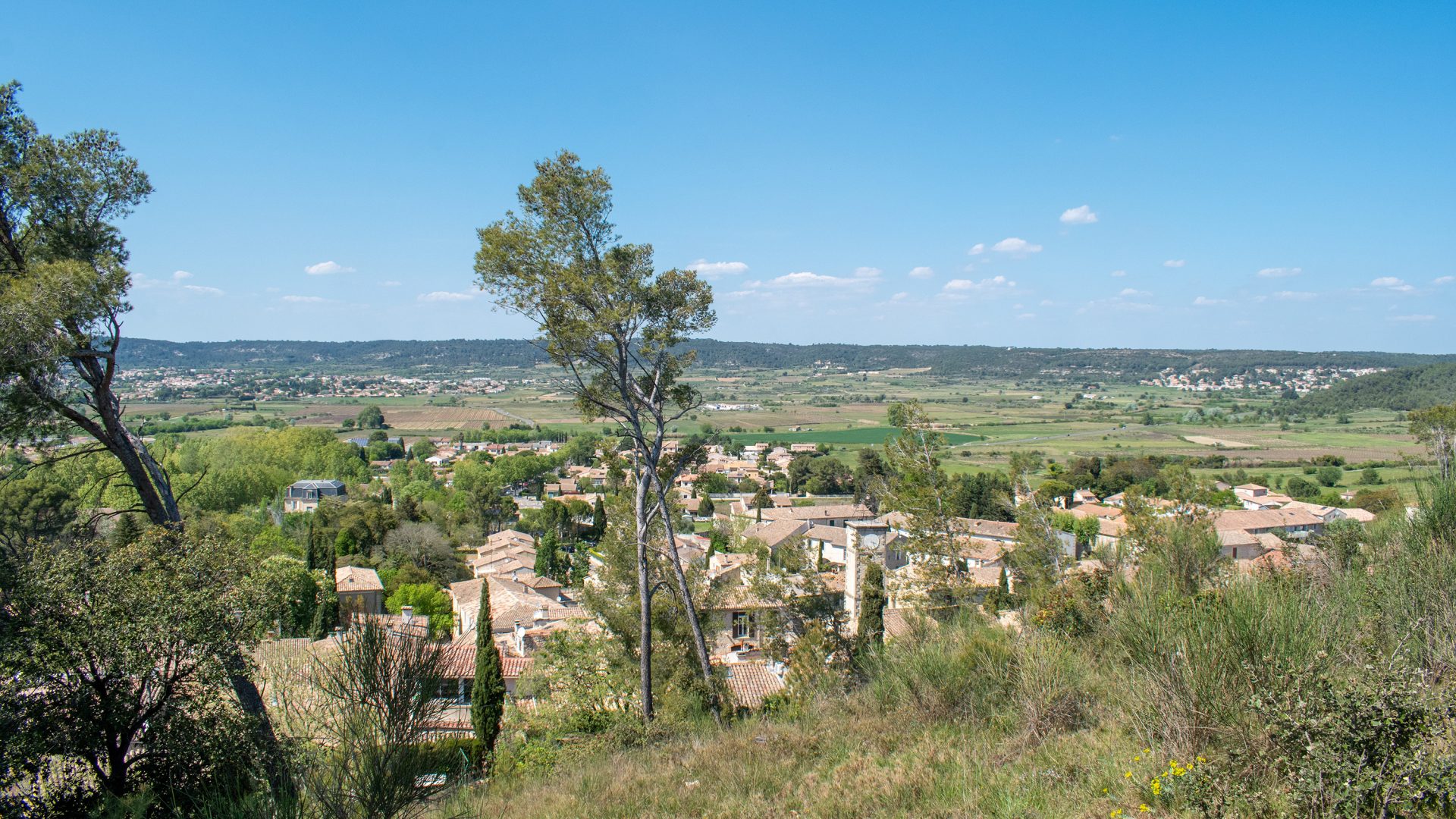
Formerly known as "l'Anglade", Langlade, located between the Cévennes and the Camargue, is a typical Gard village perched on a promontory in the Gardonnenque plain. The name Langlade derives from the Occitan "Anglada", meaning "angled land", a reference to the historical use of arable land.
History of Langlade
Origins and evolution
The village of Langlade appears in Latin documents as early as 1125 under the name "Anglata". In the 13th century, the village had 65 inhabitants, but the plague of the mid-14th century reduced this number to just five. Langlade's history is marked by its agricultural past, now transformed into building land due to mechanization.
Langlade heritage
Le Moulin-à-Vent "Cavalier
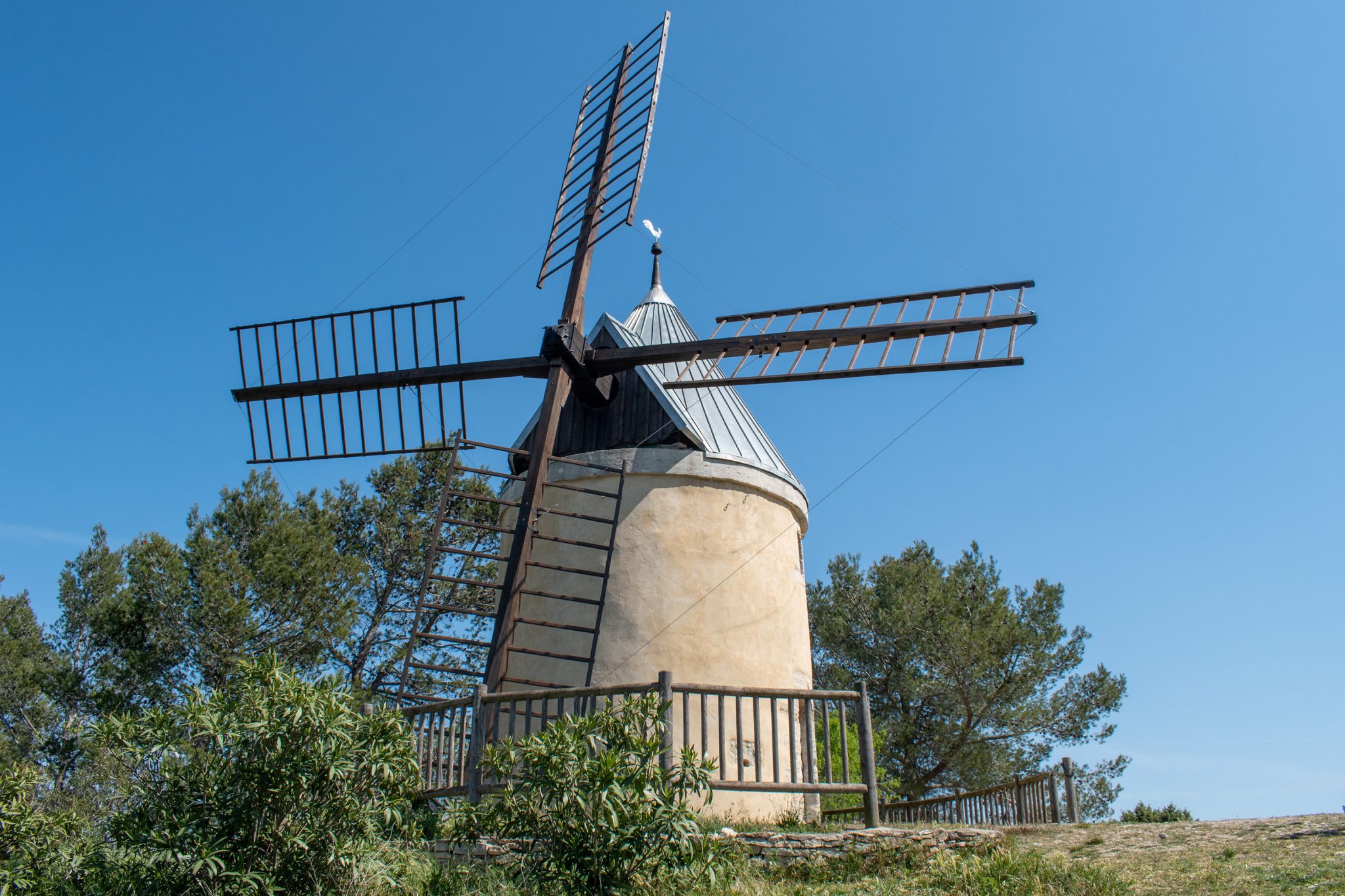
The Moulin de Langlade, on a hill overlooking the village, can be reached via the Chemin du Moulin-à-vent. Stop for a moment in Langlade, where the Moulin Cavalier dominates the village. Named after the Camisard leader Jean Cavalier's stopover near this mill, you'll be enchanted by its majestic, emblematic silhouette.
Le Temple
The Langlade temple, part of the diocese of Nîmes in the Middle Ages, was donated to the chapter of Nîmes cathedral in 430. Ruined in the 17th century, it became a Protestant place of worship after the revocation of the Edict of Nantes. The temple, accessible via a small street lined with old houses, is topped by a bell tower and features a sober interior, typical of Huguenot places of worship.
Le Lavoir
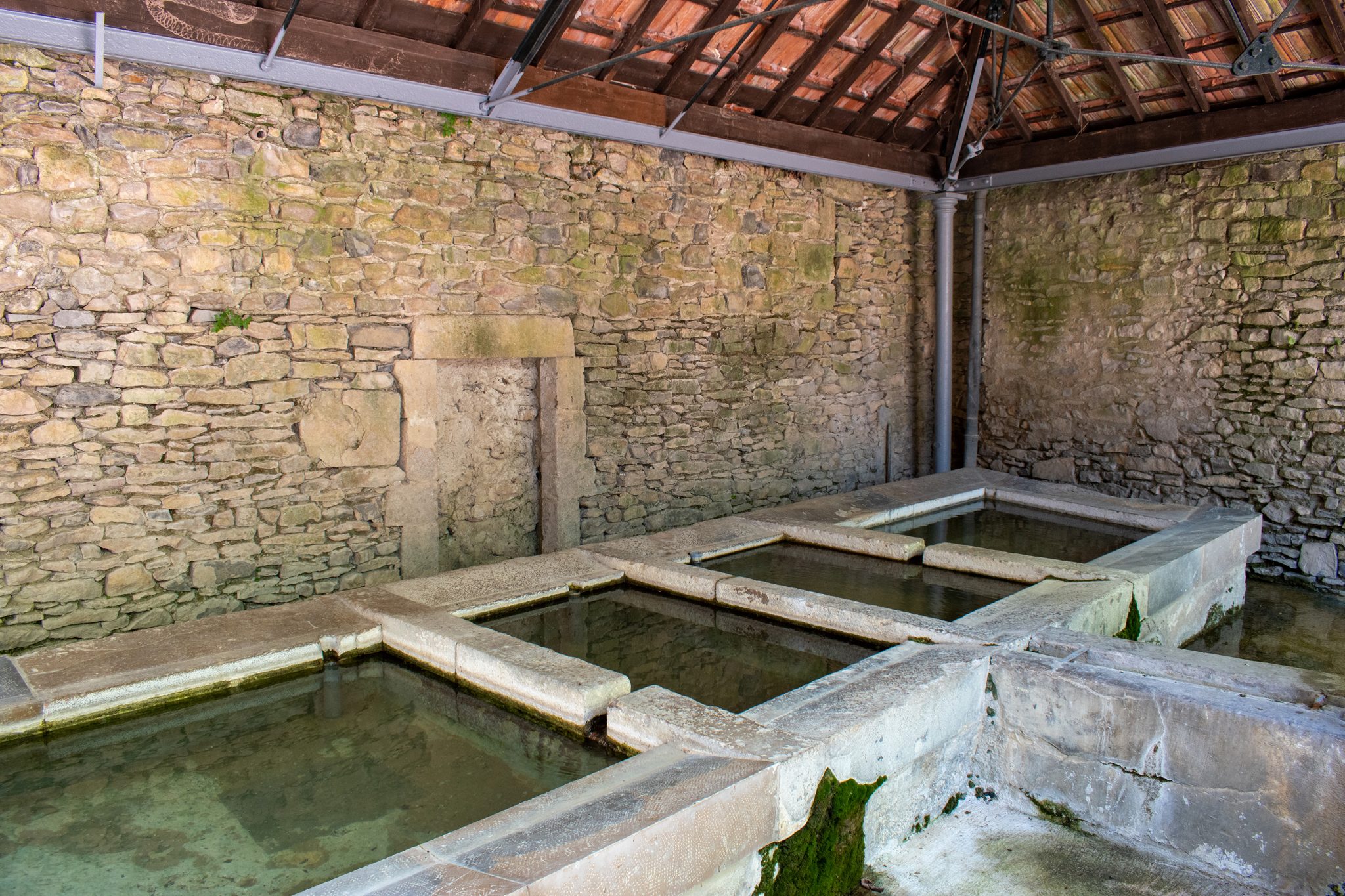
Built in 1822, the Lavoir de la Fontaine is a jewel of Langlade's heritage. Thanks to the generosity of Antoine Dombre, it was enlarged and covered to provide shelter from the sun and rain for washerwomen. At the beginning of the 20th century, work was carried out to improve the fountain's flow rate and add collection galleries, thus meeting the commune's water needs. Come and discover this place steeped in history, a witness to daily life in days gone by.
La Gare
Langlade station was part of the "Nîmes-Le Vigan-Tournemire-Roquefort" line. This line, created for military purposes, was gradually closed between 1969 and 1991. Today, the former railroad line has been transformed into a "greenway" for walkers and cyclists, and the commune is planning to develop tourist and cultural activities on it.
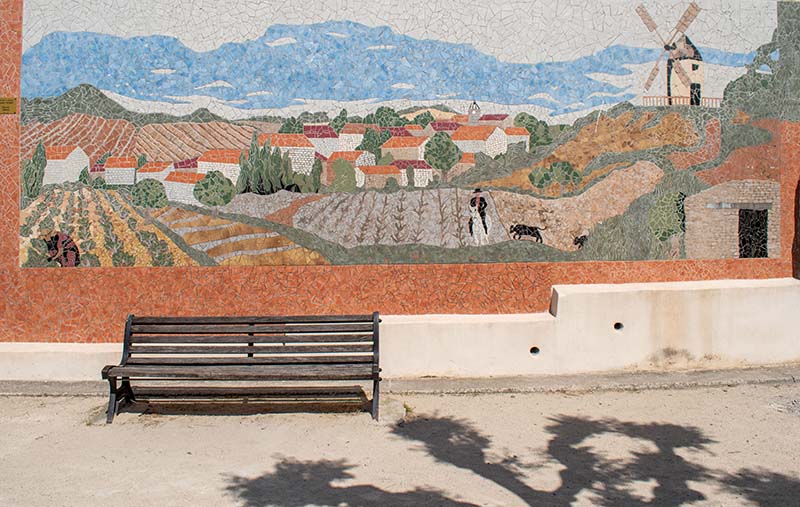
The Langlade vineyard
The Langlade vineyard, replanted after phylloxera, produces "Coteaux du Languedoc" Appellation d'Origine Contrôlée wines.