


Garons
Immerse yourself in the thousand-year-old history of Garons, which has been part of the Gard region since the 7th century. Discover its historical treasures and must-sees during your visit.
History of Garons
Garons was first mentioned in the 7th century. The village grew up on the Costières plateau, a site occupied since ancient times. In the 2nd century B.C., the Romans established two villas here: Villa de Campagne and Villa de Scieure.
In the 5th century, the region was occupied by the Visigoths. The Garons estate, derived from the villa of Scieure, belonged to Bishop Remissaire of Nîmes and remained under episcopal control until the French Revolution.
During the Middle Ages, Garons' land was intensively farmed. In 1659, Monseigneur Cohon rebuilt the castle and parish church.
Development and Expansion
In the 19th century, vine cultivation expanded. However, phylloxera destroyed the vineyards in 1863. Jacques Comis, mayor of Garons, introduced grafting techniques to save the vines. In 1835, Garons became an independent commune.
Despite the rural exodus, Spanish and Italian immigration stabilized the population between the two world wars. In 1957, irrigation works transformed local agriculture. The Nîmes-Garons airport, built in 1958, contributed to demographic expansion.
Garons' heritage
The Town Hall
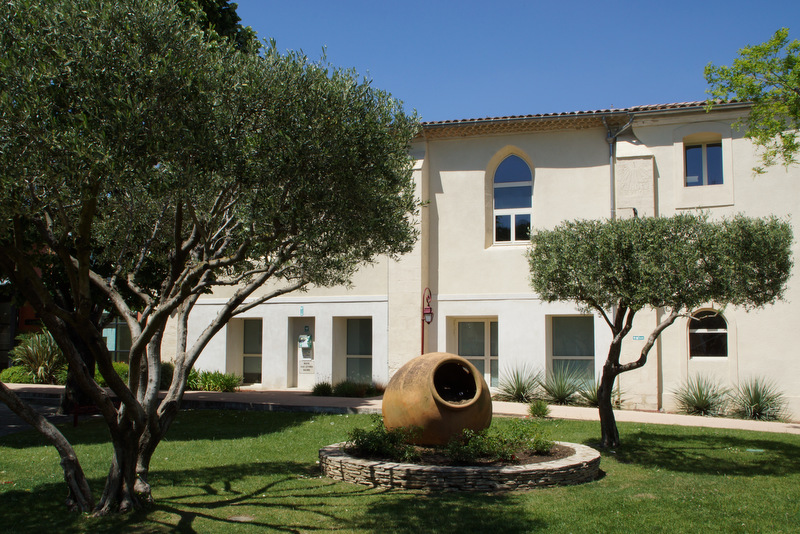
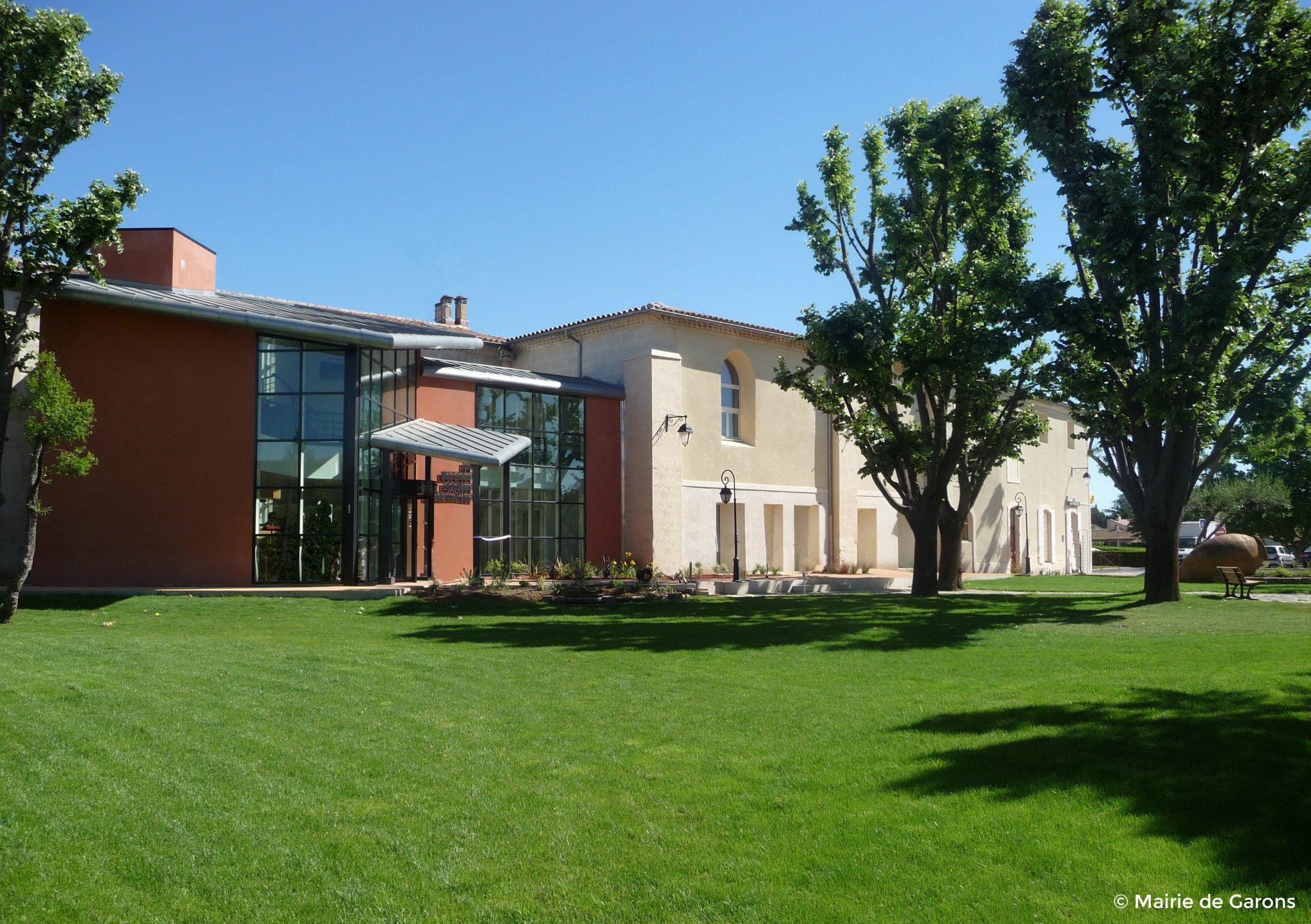
A former episcopal residence, the Garons town hall, built in 1658 by Bishop Cohon, bears witness to a rich history. Surrounded by gardens, it now hosts events and houses the town hall. The adjoining chapel is dedicated to Protestant worship.
Natural Heritage
The municipal park
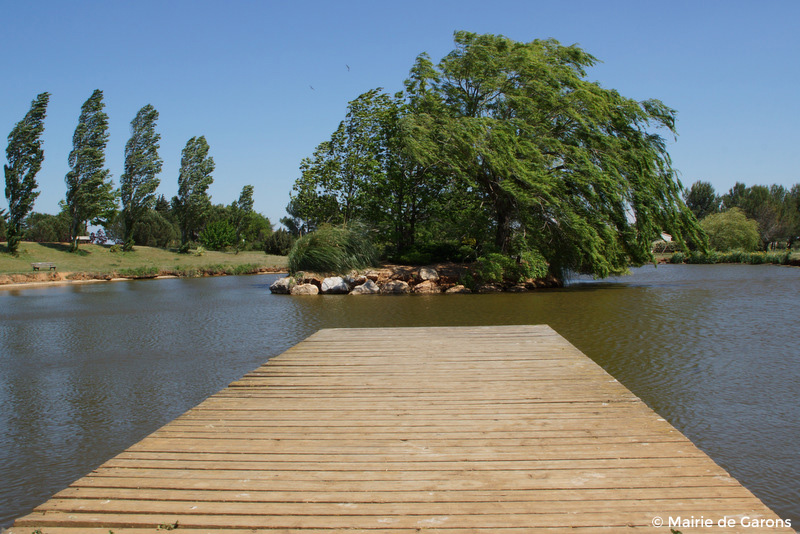
The Garons Municipal Park extends over 8 hectares of wooded landscapes, offering an idyllic setting for all ages. There's a children's playground, a fitness trail and a charming little lake. Winding paths through the hills make for pleasant family walks.