

Dions
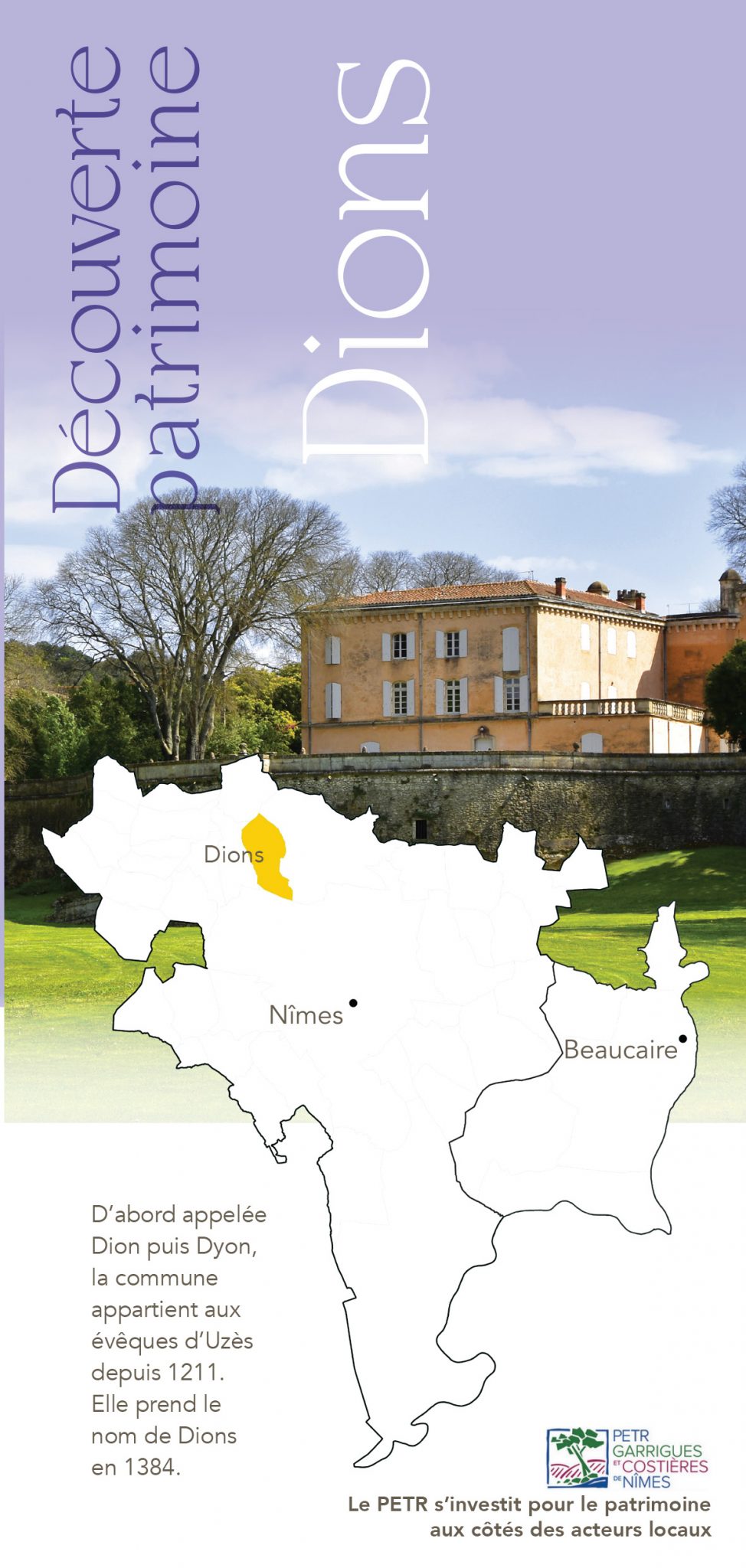
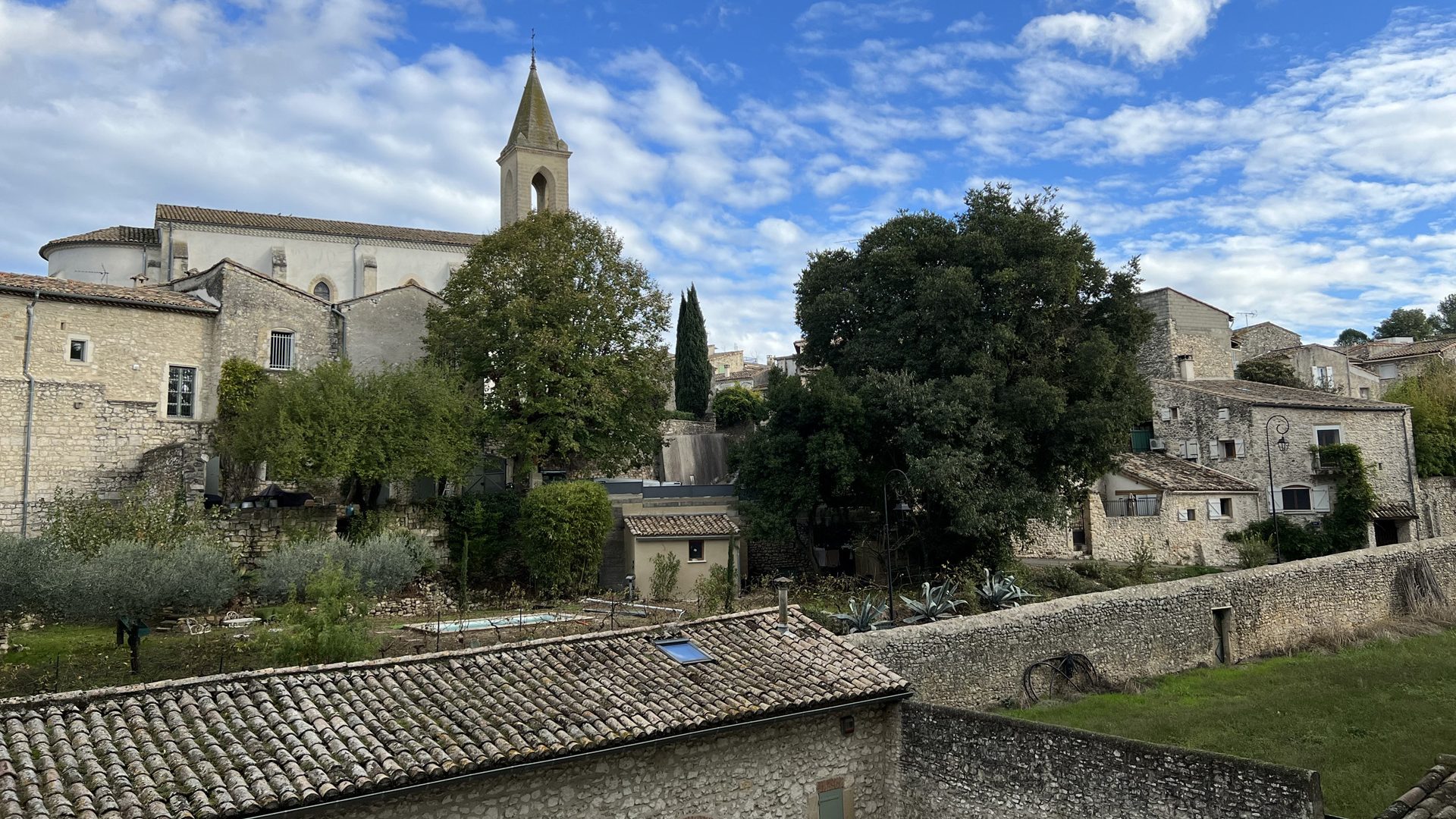
Dions, a charming village of 599 inhabitants at the entrance to the Gardon gorges, covers 1132 hectares. Perched on the side of a plateau, Dions owes its name to the sacred Divona spring.
History
The first traces of settlement in Dions date back to ancient Roman villas. The village's fame comes from a letter written by Sidoine Apollinaire in 468. Mentioned in the archives of the Château d'Uzès dating from 1157, Dions counted up to 752 inhabitants in 1861, but this number had fallen to 288 by 1954.
Today, although many residents work in Nîmes and the surrounding area, winegrowing is still a major activity, with a private winery producing organic wines.
Heritage
Le Moulin de Dions
This mill, emblematic of the local heritage, adds to the charm and history of Dions, symbolizing its agricultural and artisanal past.
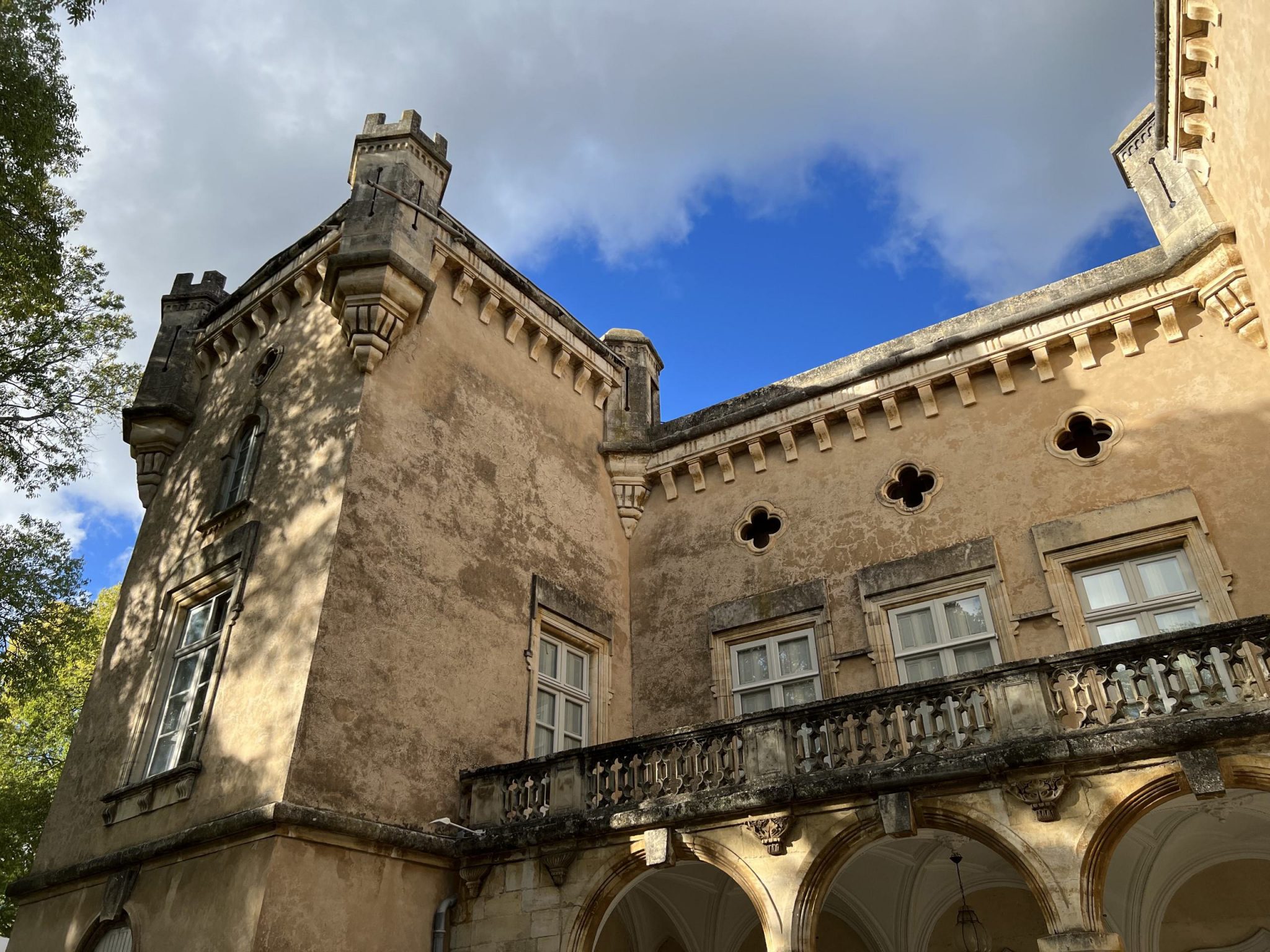
Château de Dions
Although modest, this castle is a witness to the village's medieval history, offering a beautiful view of the surrounding area.
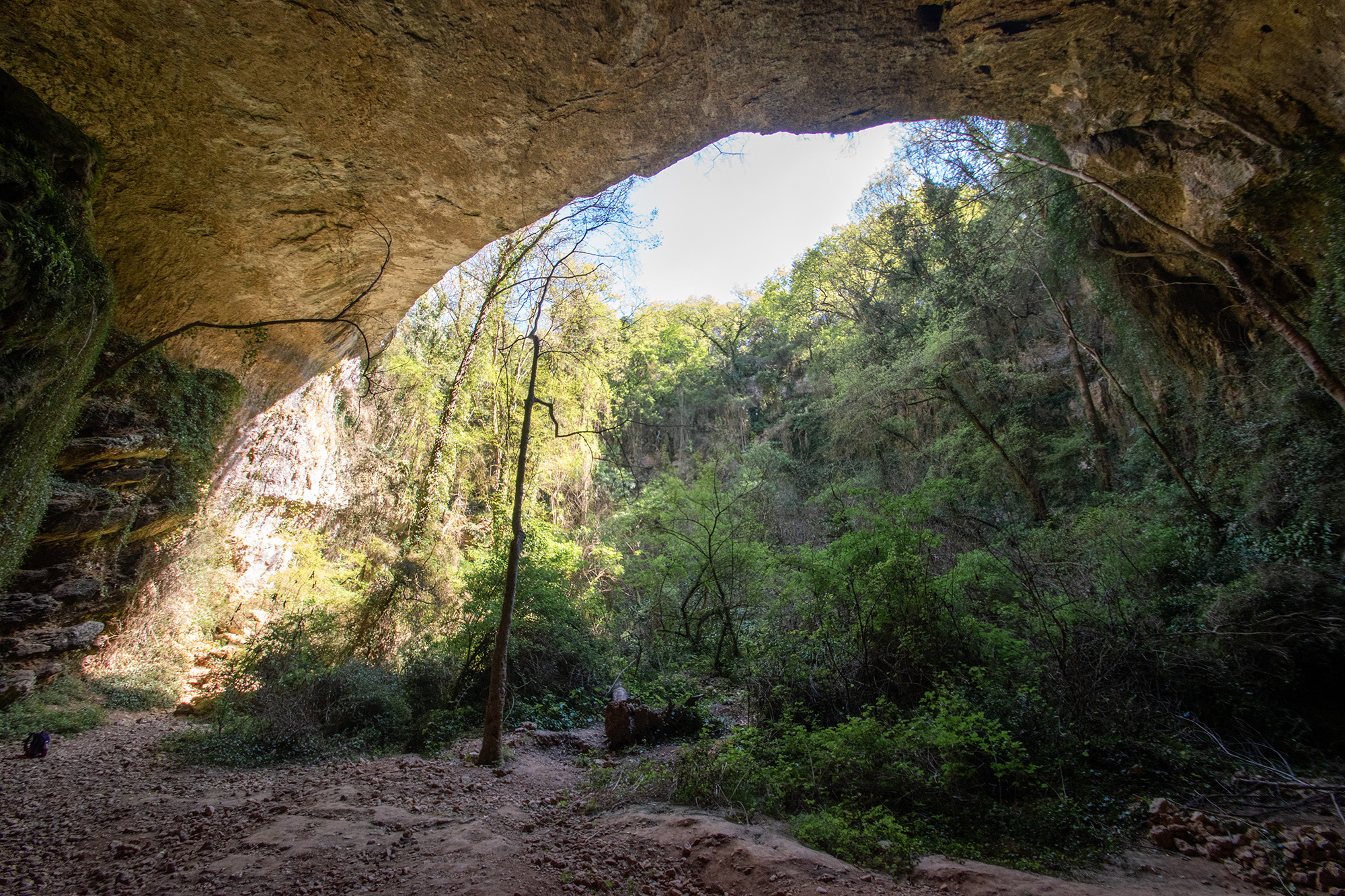
Gouffre des Espélugues
France's largest chasm within the conurbation, this impressive sinkhole measuring 160 by 115 metres and 72 metres deep attracts the curious, walkers, sports enthusiasts and scientists alike. The chasm, explored in detail by Félix Mazauric and Gustave Cabanes in the 19th century, is home to a rich biodiversity with 300 different plant species and numerous galleries communicating with the underground Gardon river.
Vines and Garrigue
The plateau above Dions, planted with vines and woods, is ideal for walking and exploring. A geodesic point offers a 360° panoramic view of the surrounding massifs, including the Cévennes, Pic Saint-Loup, Mont Aigoual and Mont Ventoux.
Dions is a typical village in the Garrigue region of Gard, which has managed to preserve its authenticity and charm. With its historical and natural heritage and dynamic local activities, Dions is an ideal destination for lovers of nature and history.